This is another example of a viral cliffhanger story that’s designed to make readers click “See more.”
It follows a familiar pattern:
- A child performs an unexpected act of kindness.
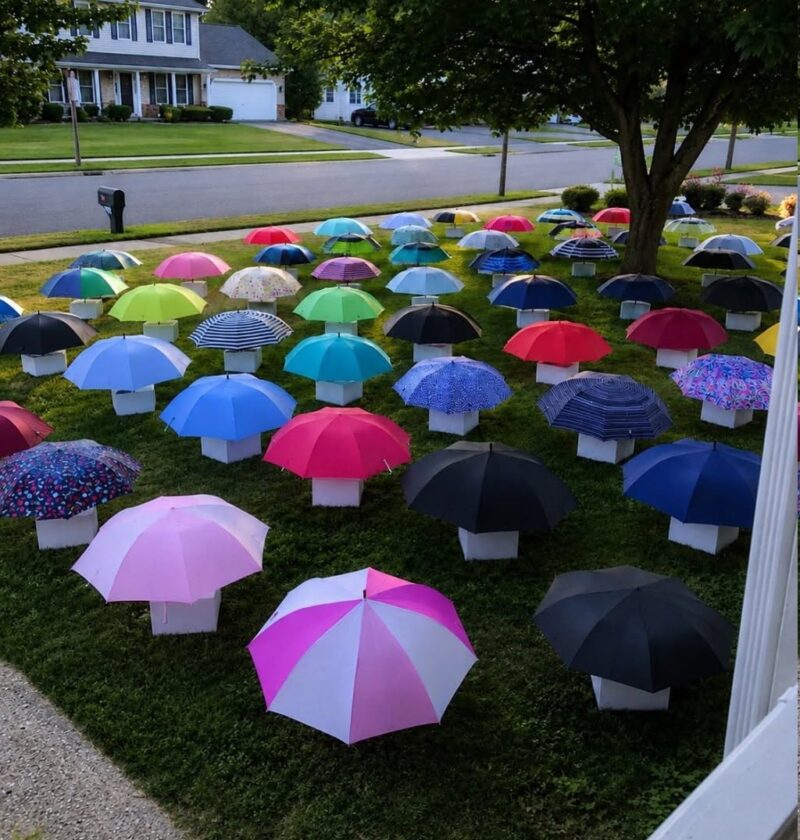
- A mysterious event happens the next day (47 umbrellas with numbered boxes).
- The story stops at the most intriguing moment to maximize curiosity.
There’s no way to tell from this opening whether it’s true. Stories like this are often:
- Fiction written to be heartwarming.
- Heavily embellished anecdotes.
- Clickbait used to drive traffic to ad-supported websites or social media pages.
If it were a genuine story, there could be many ordinary explanations—such as a community thank-you gesture, a charity project, or a coordinated surprise. But the excerpt doesn’t provide enough information to know.
So it’s best to treat it as an unverified feel-good story, not a factual news report, unless it comes from a reliable source with evidence.