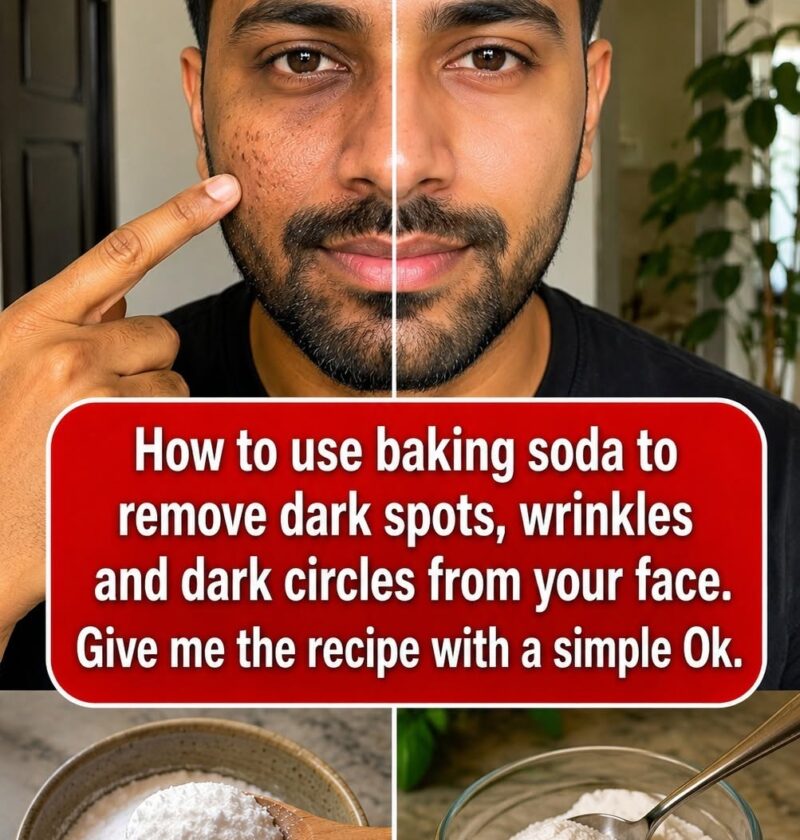
The headline “Baking Soda on the Face: Benefits, Risks, and How to Use It Safely” is only partly accurate. While baking soda has been promoted as a DIY skincare ingredient, dermatologists generally do not recommend using it on your face.
Why people use it
Some people claim baking soda can:
- Exfoliate dead skin.
- Reduce oiliness.
- Help with acne.
- Brighten the skin.
However, there is little scientific evidence that it is an effective or safe facial treatment.
Risks
Baking soda is alkaline, while healthy skin is naturally slightly acidic. Regular use can:
- Disrupt the skin’s protective barrier.
- Cause dryness, irritation, and redness.
- Worsen sensitive skin conditions like eczema or rosacea.
- Increase the risk of irritation after sun exposure.
Safer alternatives
If your goal is:
- Exfoliation: Use products containing gentle exfoliants, such as lactic acid or low-strength salicylic acid, according to your skin type.
- Acne: Consider products with benzoyl peroxide, salicylic acid, or adapalene.
- Dry skin: Use a fragrance-free moisturizer.
- Dark spots: Sunscreen, retinoids, vitamin C, or niacinamide may help over time.
If you still choose to try it
If you decide to experiment despite the risks:
- Test it on a small patch of skin first.
- Use it only occasionally.
- Stop immediately if you experience burning, persistent redness, or irritation.
- Avoid applying it to broken skin or near your eyes.
Bottom line: Baking soda is not a proven facial treatment, and for most people the potential risks outweigh the benefits. Evidence-based skincare products are generally safer and more effective.