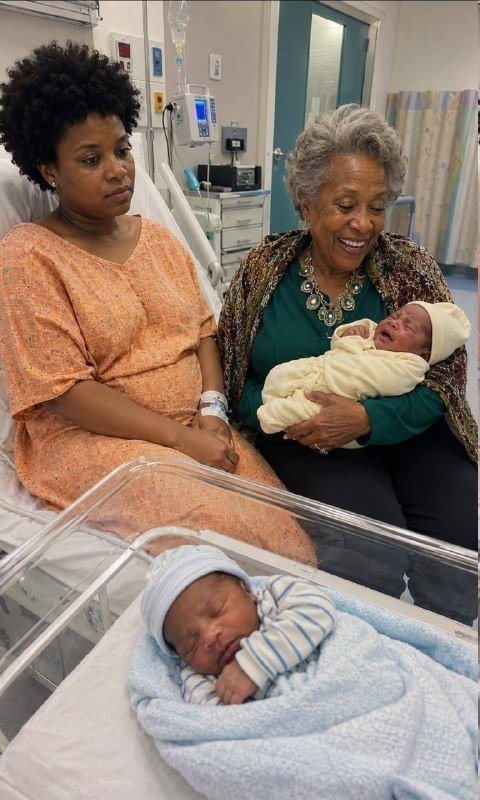
This is another social-media cliffhanger story, and it follows the same pattern as many viral “revenge” or “hidden identity” posts.
🧠 The formula it’s using
- A vulnerable protagonist (just had a C-section)
- An outrageously cruel antagonist (the mother-in-law)
- An extreme, unrealistic demand (giving away one of the twins)
- A hidden source of power (“I’m actually a federal judge”)
- A cliffhanger ending (“I pressed the panic button…”)
The goal is to make readers angry on the narrator’s behalf and curious enough to click “See more.”
⚖️ Reality check
Several parts are highly implausible:
- A relative cannot simply arrive with adoption papers and demand custody of a newborn.
- Adoption requires extensive legal procedures and consent requirements.
- Hospitals have security procedures and would intervene if a patient was being harassed or pressured.
- The “secret federal judge” reveal is a common fantasy-revenge trope used in viral fiction.
📌 Why these stories spread
They combine:
- family conflict
- injustice
- a powerless-to-powerful transformation
- a promised dramatic payoff
Readers keep scrolling because they want to see the antagonist get their comeuppance.
Bottom line
This reads much more like engagement-driven fiction than a genuine account. The details are designed to provoke emotion and create suspense, not to accurately reflect how hospitals, adoption law, or family disputes typically work.