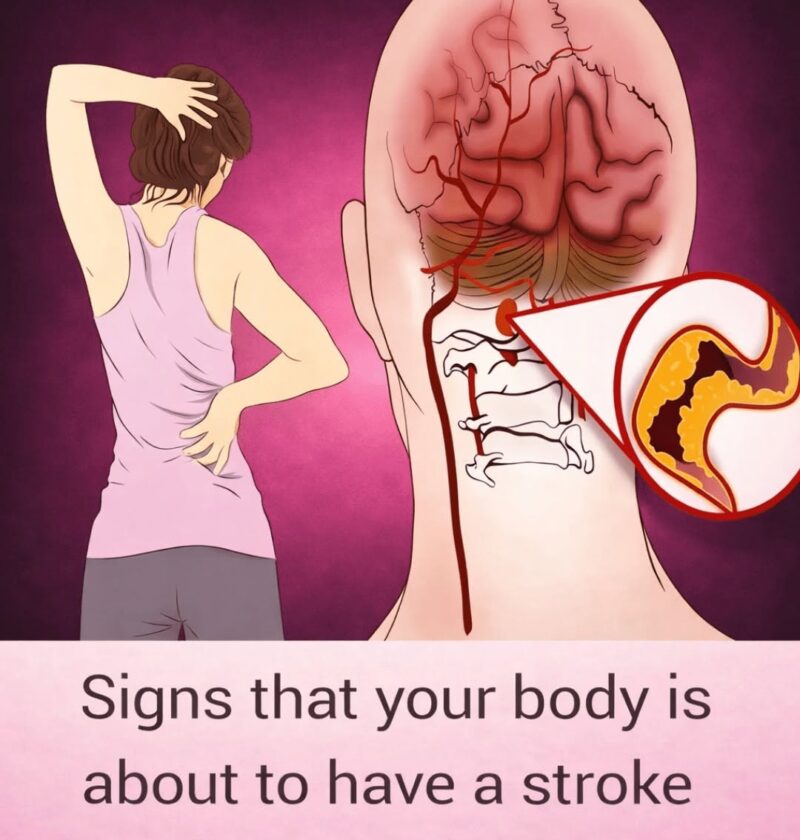
Knowing the warning signs of a stroke can save a life because rapid treatment greatly improves the chances of recovery.
The easiest way to remember the most important signs is FAST:
- F – Face drooping: One side of the face droops or feels numb.
- A – Arm weakness: One arm is weak or numb. Ask the person to raise both arms—does one drift downward?
- S – Speech difficulty: Speech is slurred, hard to understand, or the person can’t speak normally.
- T – Time to call emergency services: If you notice any of these signs, seek emergency medical help immediately.
Other possible warning signs include:
- Sudden numbness or weakness of the face, arm, or leg, especially on one side.
- Sudden confusion or trouble understanding speech.
- Sudden trouble seeing in one or both eyes.
- Sudden difficulty walking, dizziness, or loss of balance or coordination.
- A sudden, severe headache with no known cause.
- Sudden difficulty swallowing.
- Sudden loss of coordination or clumsiness.
- Sudden fainting or loss of consciousness (less common).
- Sudden vision changes, such as double vision.
- Sudden unexplained weakness affecting one side of the body.
What to do
- Call your local emergency services immediately. Do not wait to see if symptoms improve.
- Note the time when symptoms started, if known. This information can affect treatment options.
- Do not drive yourself to the hospital if emergency medical services are available.
What increases stroke risk?
Common risk factors include:
- High blood pressure (the most important modifiable risk factor)
- Diabetes
- Smoking
- High cholesterol
- Atrial fibrillation
- Obesity
- Physical inactivity
- Excessive alcohol use
Some strokes cause symptoms that come and go within minutes. This may be a Transient ischemic attack (“mini-stroke”), which is a medical emergency because it can be a warning that a major stroke may soon follow.
If you or someone else develops any sudden stroke symptoms, seek emergency care immediately—even if the symptoms disappear. Early treatment can significantly reduce brain damage and improve recovery.