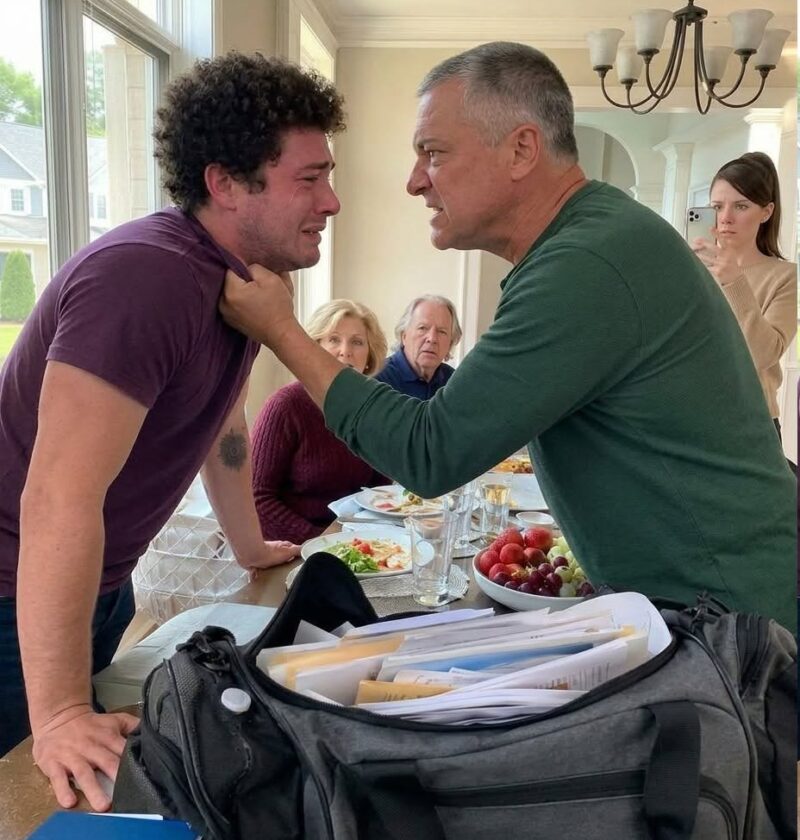
This is another example of a viral cliffhanger story. It uses a formula that’s extremely common on social media and content-farm websites:
- A protagonist who is secretly wealthy or highly successful.
- Parents or relatives who are controlling or abusive.
- A dramatic public humiliation.
- A shocking reveal (the property deed, hidden fortune, inheritance, etc.).
- The story ends on a cliffhanger to make readers click “See more.”
There’s no way to tell from this excerpt whether it’s true. Many stories like this are:
- Entirely fictional.
- Loosely inspired by real events but heavily dramatized.
- Written specifically to maximize engagement and ad revenue.
If the scenario were real, producing a property deed wouldn’t automatically settle a family dispute. Ownership of property doesn’t determine family relationships, nor does it resolve issues like financial control or abuse. In a real situation involving physical violence—such as being shoved into a table—the priority would be personal safety, setting boundaries, and, if necessary, seeking legal or professional support.
So it’s best to read this as an unverified internet story, not as a factual account. If you’re interested, I can also point out the telltale signs that distinguish these viral “family revenge” stories from genuine personal narratives.