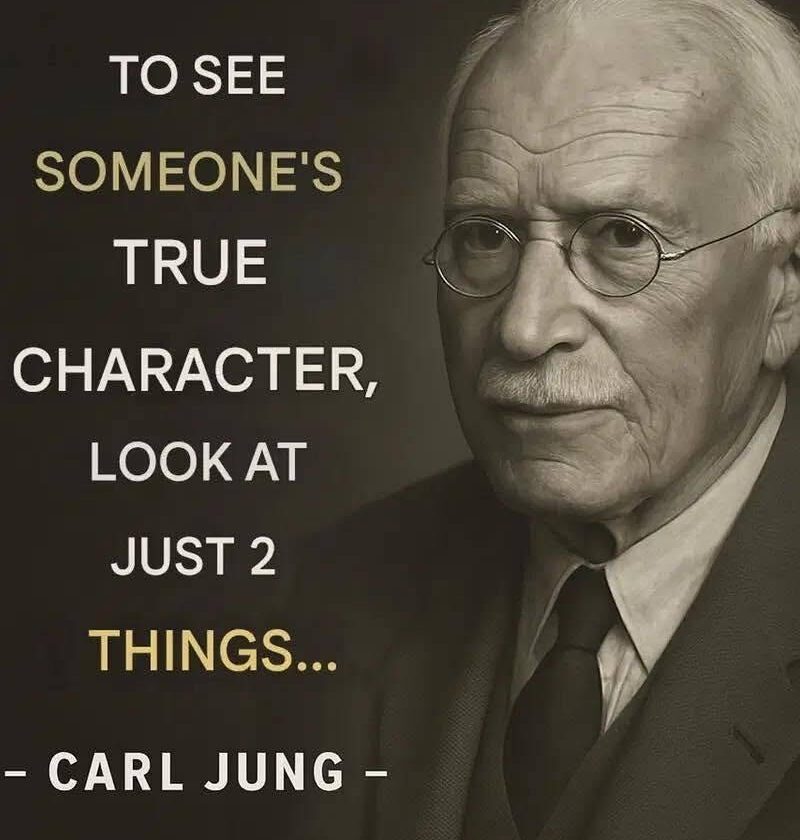
That’s another engagement-bait line. These posts usually promise a “secret psychology trick,” but real human character isn’t accurately reduced to just 2 observations.
In psychology, you can get clues about personality from behavior, but it’s never that simple or reliable. Context, stress, culture, and situation all matter.
That said, people often claim two useful “signals” are:
1. How someone treats people who can’t benefit them
This is partly reasonable—patterns of respect (or disrespect) toward service workers, juniors, or strangers can reflect empathy and social habits. But it’s still not absolute; stress or context can distort behavior.
2. How they behave when they have power or disagreement
How someone handles conflict, authority, or being wrong can reveal emotional regulation and maturity. But again, it depends on circumstances.
The important reality
There is no reliable “2-sign rule” for character. Real personality assessment in psychology uses:
- Long-term behavior patterns
- Multiple situations
- Self-report + observation + history
Viral posts simplify this because it feels satisfying and easy to remember—not because it’s scientifically solid.
If you want, I can show you what psychologists actually use to assess personality in a more structured way.