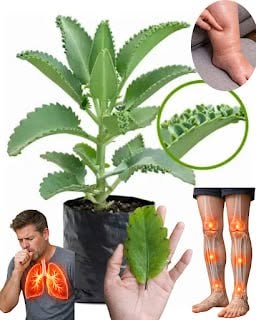
The phrase “Kalanchoe: A green treasure that heals and strengthens your health” is a marketing-style or folk medicine claim. It mixes a real plant with exaggerated health promises.
What Kalanchoe actually is
Kalanchoe is a group of succulent plants often kept as houseplants because they are:
- Easy to grow
- Drought-resistant
- Decorative (some have small colorful flowers)
Why it’s called a “healing plant”
In traditional and folk medicine in some regions, Kalanchoe leaves have been used for:
- Minor skin applications (like poultices)
- Cultural remedies for inflammation or wounds
However…
What science actually says
- There is no strong clinical evidence that Kalanchoe can “heal” diseases or “strengthen overall health.”
- Most health claims on social media are not supported by large human medical studies.
- Effects seen in lab or animal studies do not automatically translate to safe or effective human treatment.
Important safety note
Some Kalanchoe species contain natural compounds that can be toxic if eaten in large amounts, especially for:
- Children
- Pets (particularly cats and dogs)
- People using it as a “home remedy” without guidance
Bottom line
- ✔ Good as a decorative plant
- ⚠️ Limited traditional use in some cultures
- ❌ Not a proven cure or general health booster
If you want, I can also explain which “miracle plant” health claims online are commonly misleading and how to spot them quickly.