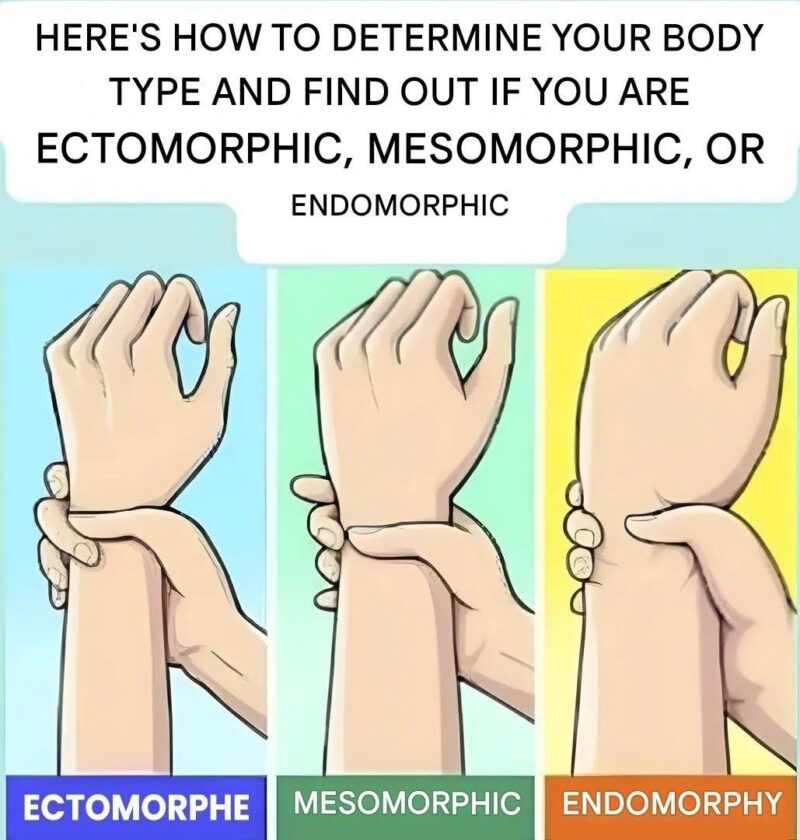
The idea of being an ectomorph, mesomorph, or endomorph comes from a system called somatotypes. It’s still popular in fitness, but modern research considers it an oversimplification of how bodies work.
Here’s what the traditional categories describe:
- Ectomorph
- Naturally lean or slender
- May find it harder to gain weight or muscle
- Often benefits from adequate calories, sufficient protein, and progressive strength training
- Mesomorph
- Naturally more muscular or athletic build
- May gain muscle relatively easily
- Usually responds well to a balanced mix of strength training and cardiovascular exercise
- Endomorph
- Tends to have a larger frame and may gain fat more easily
- May benefit from regular physical activity, strength training, and attention to overall calorie intake and diet quality
What science says
Most people don’t fit neatly into one category. Body shape and how you respond to exercise are influenced by many factors, including:
- Genetics
- Age
- Sex
- Hormones
- Diet
- Sleep
- Physical activity
- Health conditions
Many people have characteristics of more than one somatotype.
How to “make the most” of your body
Rather than focusing on a body type label:
- Eat enough protein to support your goals.
- Do regular resistance training to build or maintain muscle.
- Include cardiovascular exercise for heart health.
- Get adequate sleep and recovery.
- Adjust your calorie intake based on whether your goal is to gain, lose, or maintain weight.
The somatotype system can be a useful way to describe general body shapes, but it doesn’t determine your fitness potential. With consistent training and nutrition, people of all body types can become stronger, build muscle, improve endurance, and achieve good health.