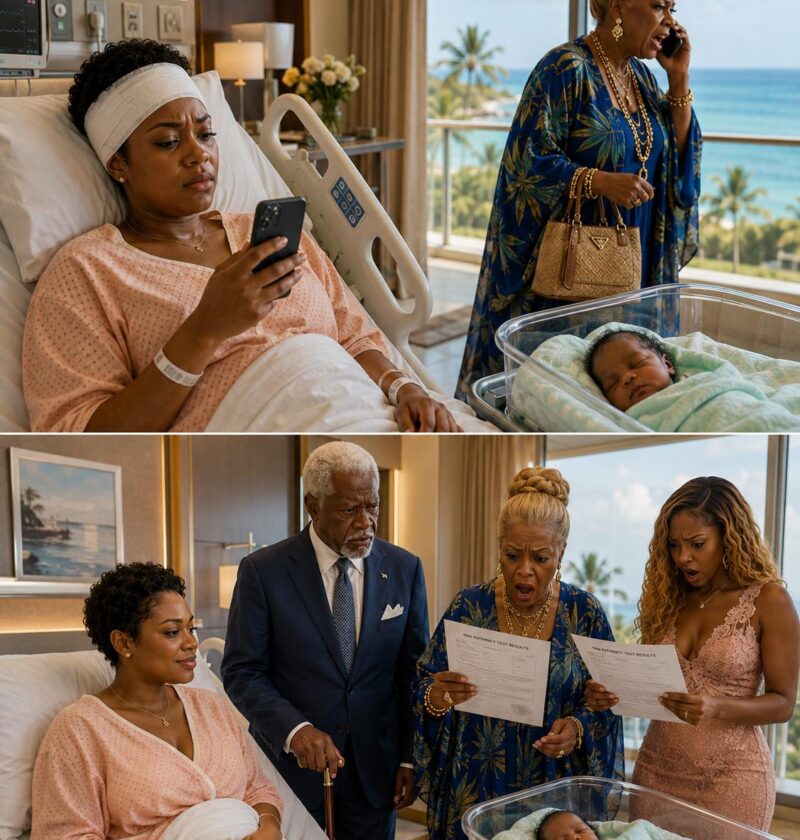
This is another viral-style dramatic story hook, not a verified real event. It uses emotional escalation to pull readers in:
- accident + hospital vulnerability
- family betrayal
- money figure ($486,000) for shock value
- abrupt abandonment (cruise)
- mystery “something I would never forget” ending
That structure is very typical of short-form fiction or clickbait storytelling, especially on social media.
🧠 What it’s really doing
It’s designed to trigger:
- anger (“how could a mother do that?”)
- shock (large financial support amount)
- curiosity (what did Grandpa say?)
But it deliberately leaves out:
- context
- timeline details
- verification
- the actual outcome
🚫 What you can’t assume
- That it actually happened
- That the money figures are accurate
- That the situation is complete or truthful
It’s essentially an open-ended emotional narrative prompt.
✍️ If you want
I can:
- continue it as a full short story (dramatic or realistic)
- rewrite it in a more grounded, believable way
- or break down why these stories go viral psychologically 👍