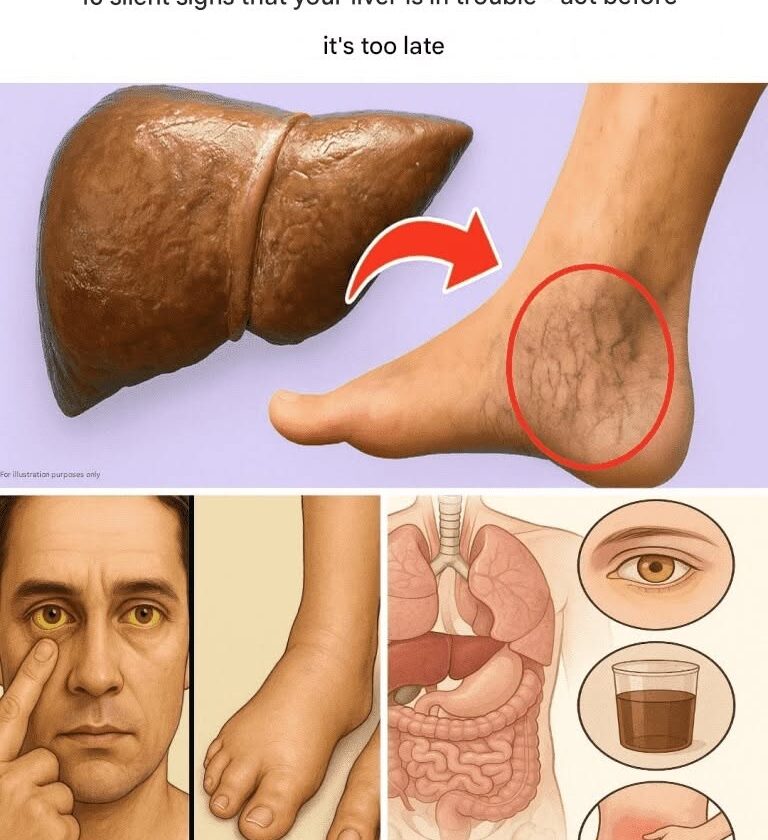
That headline is fear-based health content. While liver disease can sometimes develop without obvious symptoms, a list of “15 silent signs” is often misleading because many of the signs are nonspecific and can be caused by many other conditions.
🧠 Important reality check
The liver often doesn’t cause symptoms until disease is more advanced. That’s why liver problems are usually detected through:
- Blood tests
- Physical exams
- Imaging (such as ultrasound)
You cannot reliably diagnose liver disease from a symptom checklist alone.
⚠️ Possible signs that can occur with liver problems
These are real symptoms that may be associated with liver disease, but they are not specific to liver disease:
- Unusual fatigue
- Loss of appetite
- Nausea
- Unexplained weight loss
- Itchy skin
- Easy bruising
- Swelling in the legs or abdomen
- Dark urine
- Pale stools
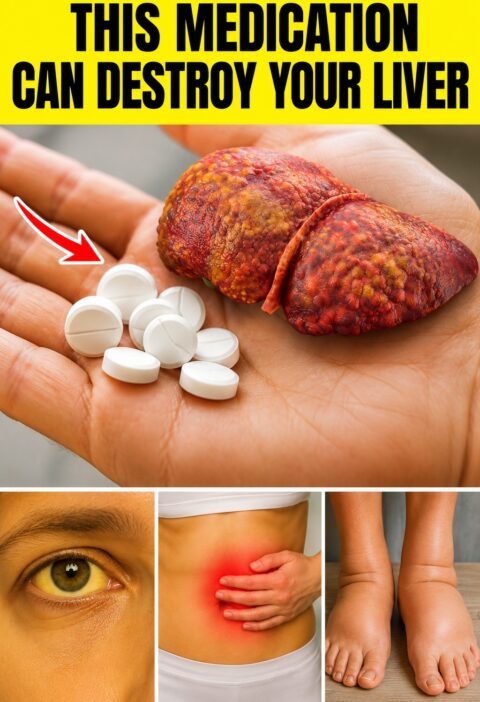
- Yellowing of the skin or eyes (jaundice)
Many of these symptoms can also have other causes.
🚨 Symptoms that deserve prompt medical attention
Seek medical evaluation if you notice:
- Yellow skin or eyes
- Significant abdominal swelling
- Vomiting blood
- Black, tarry stools
- Confusion or major changes in alertness
These can indicate serious liver disease or other urgent conditions.
🍺 Common causes of liver damage
Some major causes include:
- Excessive alcohol use
- Viral hepatitis
- Fatty liver disease
- Certain medications and toxins
- Some inherited conditions
✔️ What actually protects liver health
- Limit alcohol
- Maintain a healthy weight
- Stay physically active
- Get recommended vaccinations (such as for hepatitis when appropriate)
- Avoid unnecessary medication use
- Follow medical advice for conditions such as diabetes
🧠 Bottom line
“15 Silent Signs Your Liver Is in Trouble – Act Before It’s Too Late” is designed to create urgency. While liver disease can sometimes cause symptoms, blood tests and medical evaluation are much more reliable than viral symptom lists. If you’re concerned about your liver, the best step is to discuss it with a healthcare professional rather than trying to self-diagnose from online posts.