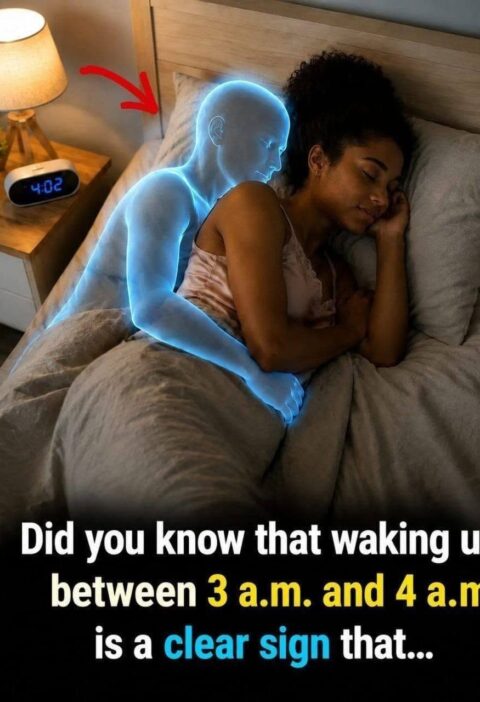
“The enigma of nocturnal immobility: when the body refuses to obey” is a dramatic way of describing sleep paralysis.
Sleep paralysis is a temporary state where a person wakes up (or is falling asleep) and becomes aware, but cannot move or speak for a short time.
💤 What it feels like
People often report:
- Being awake but unable to move
- Difficulty speaking or calling out
- A feeling of pressure on the chest
- Fear or panic
- Sometimes vivid hallucinations (seeing, hearing, or sensing a presence)
🧠 Why it happens
During REM sleep, the brain normally prevents most muscles from moving so you don’t act out dreams. Sleep paralysis occurs when:
- Your mind becomes conscious before this muscle paralysis has fully ended, or
- You enter a sleep state while still partly aware.
⚠️ Is it dangerous?
Usually, no. Although it can be frightening, sleep paralysis itself is generally harmless and often lasts from a few seconds to a couple of minutes.
Factors that may increase the chance of it happening
- Sleep deprivation
- Irregular sleep schedules
- Stress or anxiety
- Sleeping on your back
- Certain sleep disorders such as Narcolepsy
When to seek medical advice
Consider talking to a healthcare professional if:
- Episodes are frequent
- They significantly disrupt your sleep
- You experience excessive daytime sleepiness
- You have other concerning symptoms
Bottom line
The “body refuses to obey” phenomenon is most commonly sleep paralysis: a temporary mismatch between waking consciousness and the body’s normal REM-sleep muscle shutdown. It’s unsettling, but for most people it’s not a sign of a serious problem.