High cholesterol is often called a “silent condition” because many people don’t feel anything until it has already caused problems. The condition is related to high levels of fat-like substances in the blood, known as Hypercholesterolemia.
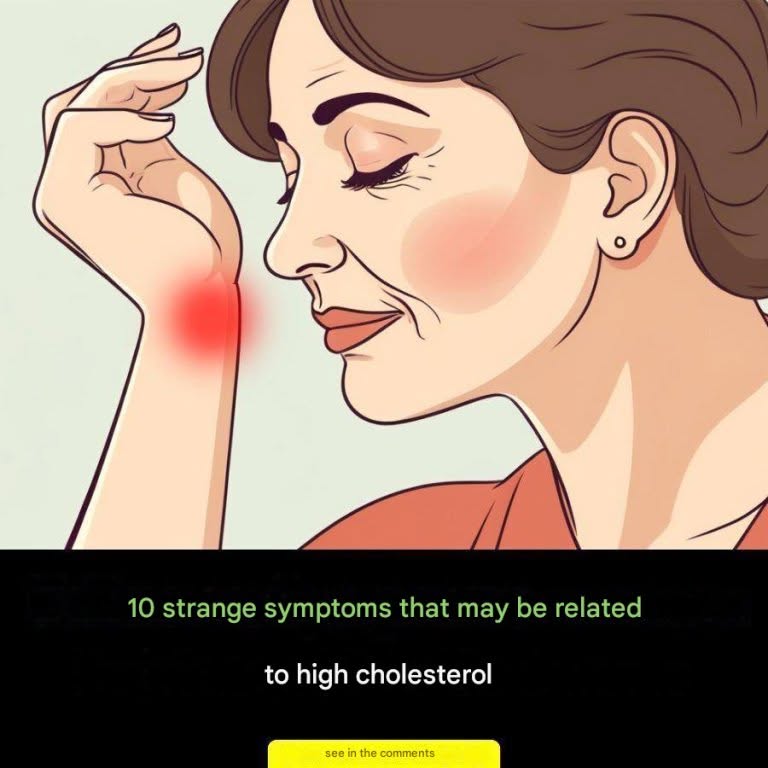
Here are 10 possible signs and clues—but keep in mind, many people have no obvious symptoms at all.
⚠️ 10 possible signs of high cholesterol
1. 🫀 Chest pain or pressure (angina)
- Can happen if arteries become narrowed
- May feel like tightness or heaviness
2. 😮 Shortness of breath
- Reduced blood flow to the heart can make activity harder
3. 🦶 Cold or numb extremities
- Poor circulation in arms or legs
4. 🟡 Yellowish skin bumps (xanthomas)
- Fat deposits under the skin, often on elbows, knees, or hands
5. 👁️ Yellow deposits near the eyes
- Small fatty patches called xanthelasma
6. 🚶 Leg pain when walking
- Known as “claudication,” linked to reduced blood flow
7. 😴 Fatigue
- Less oxygen-rich blood reaching tissues
8. 🧠 Dizziness or confusion (in severe cases)
- Poor circulation to the brain
9. ❤️ High blood pressure
- Often occurs alongside cholesterol problems
10. ⚠️ No symptoms at all
- The most common “sign”
- Many people only find out through a blood test
🧠 Important reality check
The condition Hypercholesterolemia is usually diagnosed with a blood test, not symptoms alone.
🧭 Bottom line
You cannot reliably “feel” high cholesterol in most cases. Visible signs only appear when it becomes more severe or long-term, which is why regular checkups matter.
If you want, I can also explain:
- 🥗 foods that actually lower cholesterol (evidence-based)
- 🧪 normal vs dangerous cholesterol numbers
- 💊 when medication is really needed vs lifestyle changes