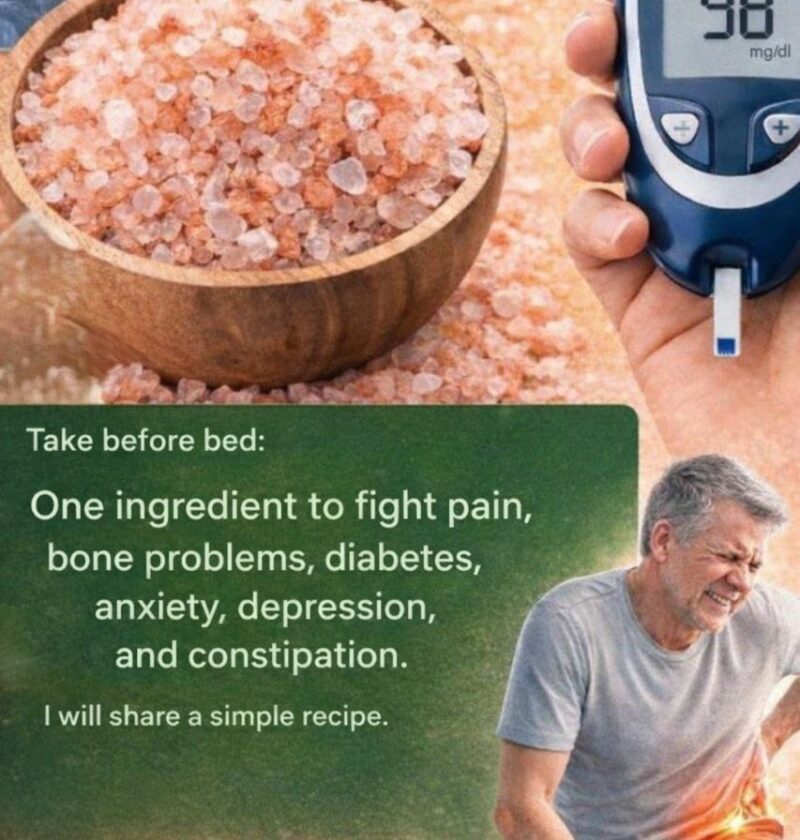
That headline is partly true but overgeneralized—it’s a classic “health essential” style claim that mixes good science with marketing tone.
What magnesium actually is
Magnesium is a vital mineral your body uses for:
- muscle and nerve function
- energy production
- heart rhythm regulation
- bone health
- blood sugar control
Do you need it “every day”?
Yes—but ideally from food, not necessarily supplements.
Your body doesn’t store unlimited magnesium, so you do need regular intake. However:
- Most healthy people can meet needs through diet
- Supplements are only needed if intake is low or a doctor recommends it
Good natural sources
- Nuts (almonds, cashews)
- Seeds (pumpkin seeds)
- Leafy greens (spinach)
- Beans and lentils
- Whole grains
- Dark chocolate (in moderation)
When magnesium matters more
You may need extra attention if you have:
- Poor diet
- Certain digestive conditions (affecting absorption)
- Diabetes
- Long-term alcohol use
- Use of certain medications (like diuretics)
What it does NOT do (common myths)
Magnesium does NOT:
- instantly “cure fatigue”
- “detox your body”
- fix all muscle cramps by itself
- replace sleep, hydration, or balanced diet
Too much magnesium?
From food: usually safe
From supplements: too much can cause:
- diarrhea
- low blood pressure
- weakness (in extreme cases)
Bottom line
Magnesium is essential, but the idea that everyone must “consume it every day as a fix-all” is oversimplified. A balanced diet usually covers your needs without special products.
If you want, I can tell you signs of magnesium deficiency vs normal tiredness, since that’s another thing clickbait posts often confuse.