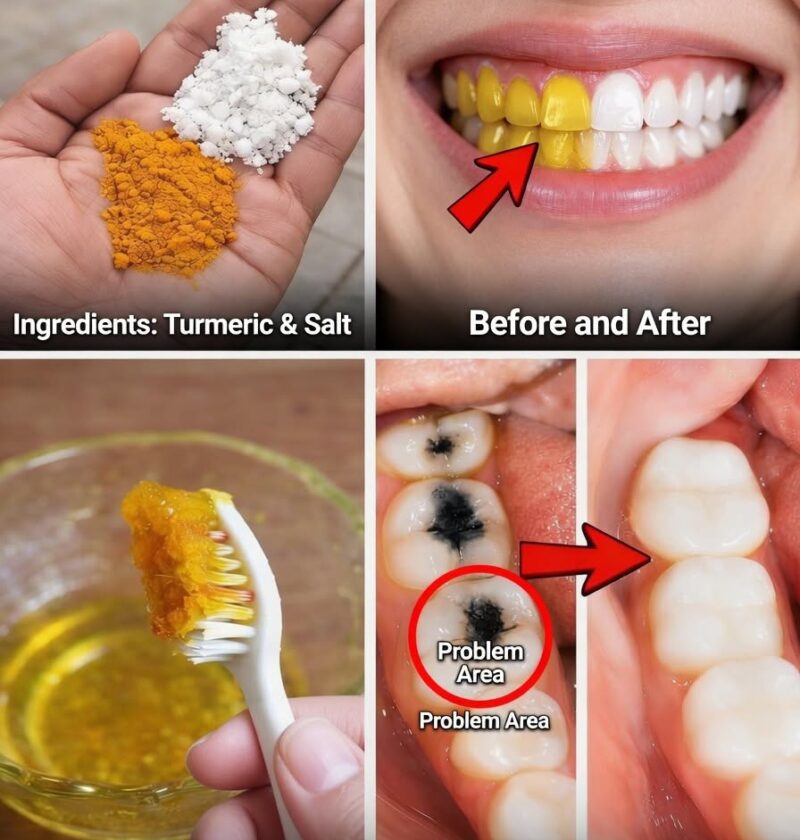
That’s a good question because this is a very common internet claim—and it’s partly misleading.
What people are talking about
Turmeric is often promoted online as a “natural teeth whitener” because it’s anti-inflammatory and antimicrobial.
Can turmeric actually whiten teeth?
Short answer: No, not in a true whitening sense
Turmeric:
- ❌ Does NOT remove deep stains inside enamel
- ❌ Does NOT bleach teeth like professional whitening
- ❌ Does NOT change natural tooth color
In fact, it is bright yellow, so it can temporarily:
- Stain surfaces (including toothbrushes and sometimes enamel)
Why some people think it works
Some users report “whiter teeth” because:
- It may reduce surface plaque temporarily
- Brushing forces remove debris
- Mouth feels cleaner after use
But that’s cleaning effect, not whitening.
What dentistry actually says
- No strong clinical evidence supports turmeric as a whitening agent
- Professional whitening uses peroxide-based compounds that chemically break stains
- Turmeric is not part of standard dental treatment
Possible downsides
- Can stain toothbrush bristles and sinks
- Messy and temporary
- May irritate gums in some people
What actually works for whitening
- Regular brushing with fluoride toothpaste
- Professional whitening treatments
- Whitening toothpaste (mild effect)
- Reducing stain-causing foods (coffee, tea, smoking)
Bottom line
Turmeric is good for cooking and some health uses, but it is not a real teeth whitener. Most viral posts exaggerate its effect based on cleaning rather than actual whitening chemistry.
If you want, I can list safe and effective ways to whiten teeth at home without damaging enamel.