🩸 Thrombosis: what it is, symptoms, and prevention
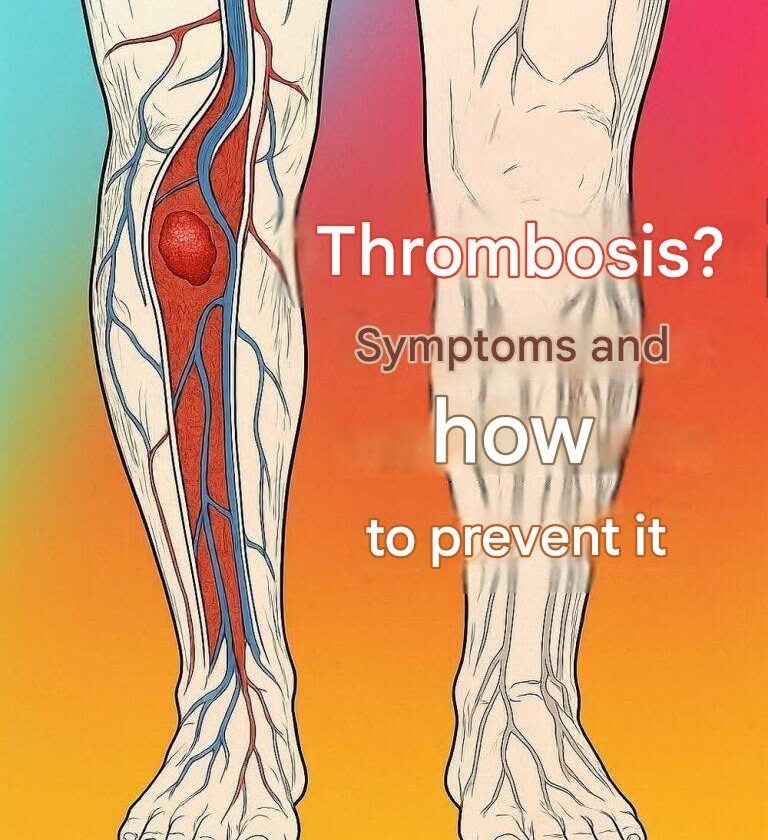
Thrombosis is the formation of a blood clot inside a blood vessel. The clot can partially or completely block blood flow. If a clot travels to the lungs, it can cause a pulmonary embolism, which is a medical emergency.
⚠️ Common types
- Deep vein thrombosis (DVT): usually in the legs
- Arterial thrombosis: in arteries (can lead to heart attack or stroke)
🚨 Symptoms to recognize
DVT (leg clot)
- Swelling in one leg (or arm)
- Pain or tenderness (often in the calf)
- Warmth in the affected area
- Red or bluish skin discoloration
Pulmonary embolism (emergency)
- Sudden shortness of breath
- Chest pain (worse when breathing deeply)
- Rapid heartbeat
- Coughing (sometimes with blood)
- Feeling faint or dizzy
👉 These symptoms require urgent medical attention.
🛡️ “Natural” prevention (lifestyle-based)
There is no “natural cure” for thrombosis, but you can reduce risk through healthy habits:
1. Keep blood moving
- Walk regularly
- Avoid sitting for long periods
- Stretch during long travel
2. Stay hydrated
- Dehydration can make blood thicker
3. Maintain healthy weight
- Reduces strain on circulation
4. Eat a balanced diet
- Fruits, vegetables, whole grains
- Healthy fats (like olive oil, nuts)
- Limit ultra-processed foods
5. Avoid smoking
- One of the strongest risk factors for blood clots
6. Manage medical conditions
- Diabetes, high blood pressure, and high cholesterol increase risk
💊 Important note
If someone is at high risk, doctors may prescribe blood thinners—these are proven and sometimes essential. Lifestyle changes alone are not enough in those cases.
Bottom line
Thrombosis is a serious medical condition, not something to treat with quick “natural fixes.” Prevention is mainly about healthy circulation habits and risk management, while symptoms—especially sudden chest pain or shortness of breath—require immediate care.