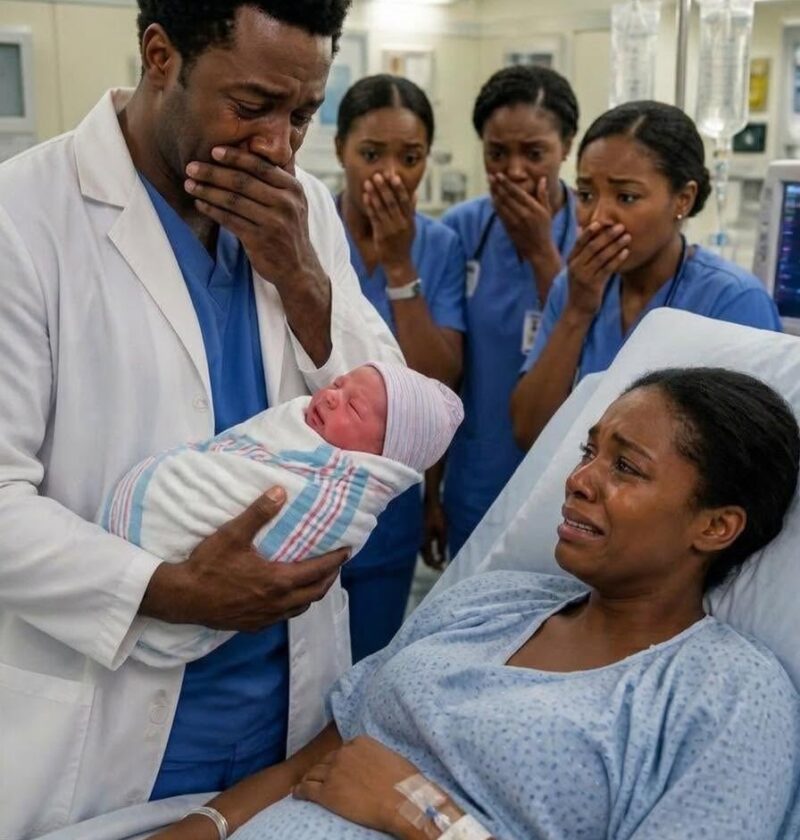
That’s a classic viral storytelling hook. It’s written to trigger emotion and curiosity, but without real details or verifiable context.
Stories like “doctor broke down in tears after a birth” are often:
- exaggerated or fictionalized
- missing names, dates, or locations
- designed to go viral rather than inform
🧠 What could realistically cause emotion in a delivery room
In real hospitals, childbirth is routine—but sometimes emotional moments do happen. For example:
- A baby is born after a very difficult pregnancy
- The mother had serious medical risks or complications
- The baby needed emergency care but survived
- The family experienced a long struggle with infertility
In such cases, doctors and nurses may feel relief or emotion—but it’s not usually a dramatic “movie-style breakdown.”
🚫 Why these posts are misleading
They often:
- remove medical context
- turn normal clinical moments into dramatic events
- imply something mysterious or shocking happened at birth
- rely on emotional manipulation instead of facts
This is a common pattern in viral content, not medical reporting.
🧠 Bottom line
Without real details, this is just a clickbait emotional story format, not a confirmed event. Real childbirth stories can be emotional, but they are rarely as dramatic or mysterious as these posts suggest.
If you want, I can show:
- real documented extraordinary birth cases (verified medical stories)
- or explain what actually happens in a delivery room step by step 👍