🔔 Ringing in the Ear: The Surprising Explanation From Your Body
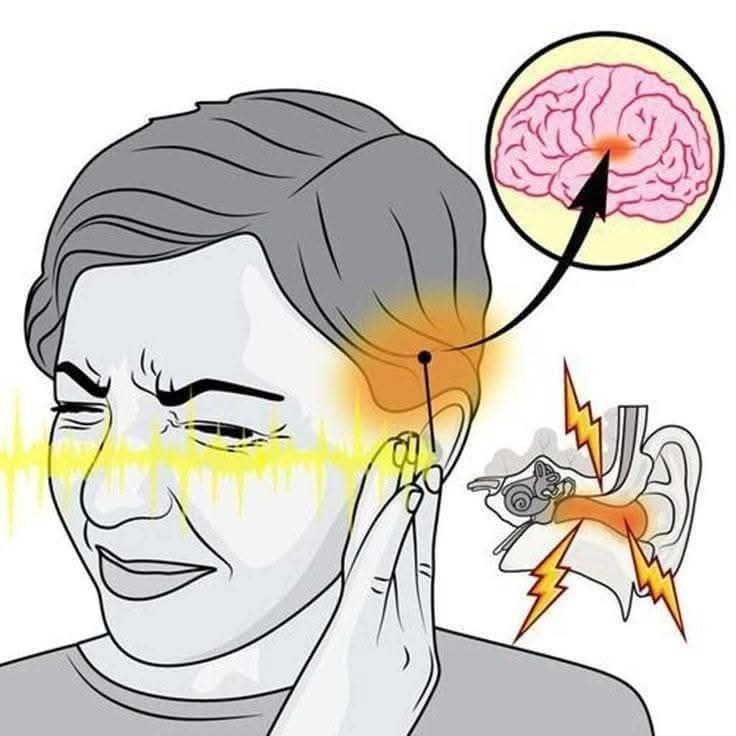
That ringing, buzzing, or humming sound you hear when there’s no external noise is called tinnitus. And despite how strange it feels, it’s usually your body’s way of signaling something going on in your hearing system—not an actual external sound.
👂 What’s really happening?
Inside your inner ear are tiny sensory cells (hair cells) that help convert sound vibrations into electrical signals for your brain.
When these cells are:
- irritated
- damaged
- overstimulated
- or misfiring
…your brain can “fill in the gap” and create a phantom sound—what you experience as ringing.
🧠 Why your brain creates the sound
Your brain is constantly expecting sound input. When it doesn’t get clear signals from the ear, it can:
- increase sensitivity in hearing pathways
- “turn up the gain” like a volume knob
- interpret noise internally as ringing
So tinnitus is often more about brain + nerve signaling than just the ear itself.
📌 Common triggers
Tinnitus can be temporary or long-term. Common causes include:
- Loud noise exposure (concerts, headphones)
- Earwax buildup
- Stress or anxiety
- Lack of sleep
- Certain medications
- Age-related hearing changes
- Ear infections or pressure changes
⚠️ When to pay attention
Most tinnitus is harmless, but you should get checked if:
- It starts suddenly in one ear
- You also have hearing loss
- It’s constant and worsening
- It comes with dizziness or balance issues
💡 The surprising part
In many cases, tinnitus isn’t a “damage alarm” so much as a miscommunication between ear and brain—your nervous system essentially turning up its sensitivity because input feels reduced or uneven.
🌿 Can it go away?
Yes, sometimes:
- After earwax removal
- After infection clears
- After noise exposure recovery
Other times it becomes long-term, but the brain often learns to ignore it (habituation) over time.
If you want, I can also explain how to reduce ringing naturally or what treatments actually work vs myths.