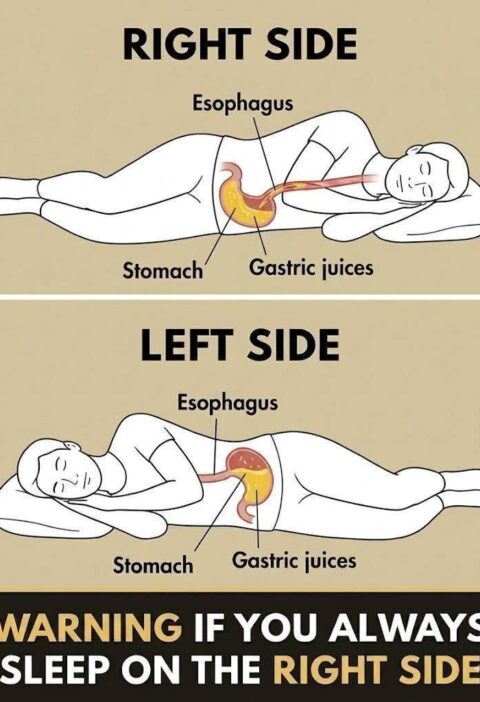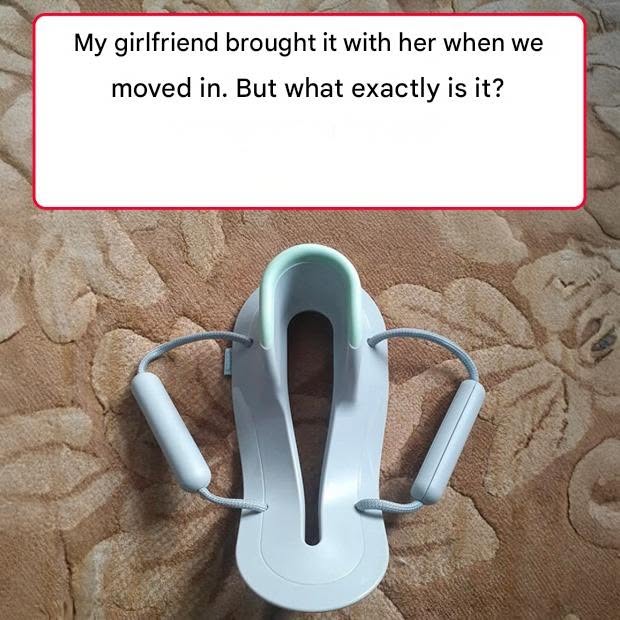
That sentence is classic clickbait storytelling, but it doesn’t actually say anything factual on its own.
Phrases like:
- “people are puzzled…”
- “until the internet found out…”
- “you won’t believe what they are used for…”
are used to create curiosity without giving real information first. The goal is to make you click or keep reading—not to inform you.
🧠 What’s really going on
These posts usually refer to:
- Random objects (old tools, kitchen items, medical-looking devices)
- Misleading photos taken out of context
- Things that are actually well-known in specific fields (but not to everyone)
Then the “reveal” is often:
- Obvious
- Exaggerated
- Or sometimes wrong
⚠️ Why it feels convincing
This style works because it triggers:
- Curiosity gap (“I need to know what it is!”)
- Assumption that there’s a secret explanation
- Social media engagement (likes, shares, comments)
🧠 Bottom line
If a post avoids telling you what “they” are in the first line and instead uses mystery language, it’s usually not educational content—it’s engagement bait.
If you want, you can paste the image or description of the object they were talking about, and I can tell you exactly what it is and how it’s actually used.