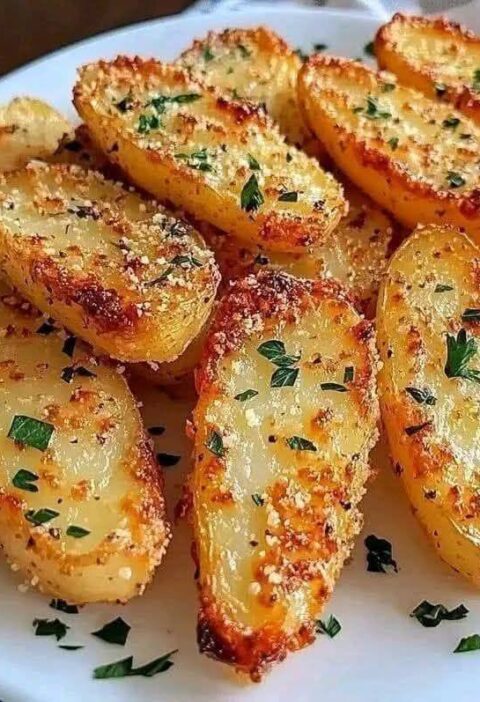
That paragraph is another emotion-based storytelling hook, similar to the “miracle recipe / family memory” posts you’ve been seeing.
It reads like:
“My mother was born in Nuremberg… she made these every Christmas…”
…but notice what’s missing:
- No name of the recipe
- No ingredients or steps
- No verifiable source
- No actual food item described yet
So on its own, it’s not information—it’s a setup for a reveal (“see more / first comment”).
What it usually turns into
Posts like this typically end up revealing something very ordinary, for example:
- German Christmas cookies (like gingerbread or butter cookies)
- Shortbread-style biscuits
- Spiced cakes or stollen-style bread
They’re real foods—but the post is written to make them feel “secret” or “hidden family knowledge.”
Why these posts work
They rely on:
- Nostalgia (grandmother / childhood memory)
- Cultural identity (Germany, Christmas tradition)
- Curiosity gap (no recipe given yet)
That combination is designed to maximize clicks, not to inform.
Reality check
There’s nothing “mysterious” here unless the actual recipe is provided. It’s just a story teaser for a food recipe that hasn’t been shown yet.
If you paste the “first comment” or full recipe, I can tell you what it actually is and whether it’s authentic or just a generic cookie recipe dressed up as something special.