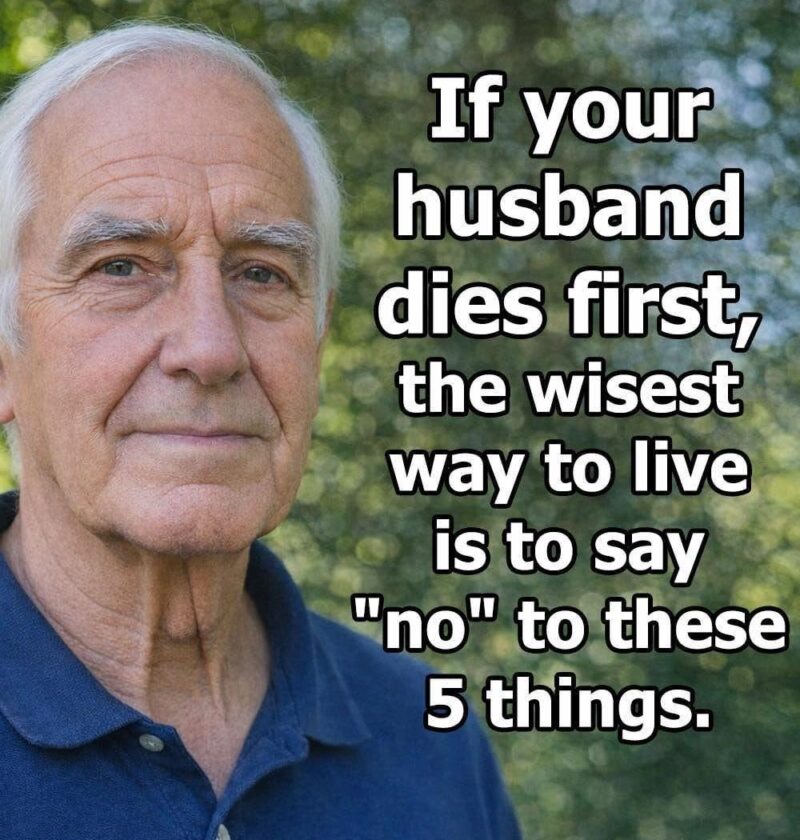
That headline is emotional clickbait, but the underlying topic—coping after losing a spouse—is a real and important part of healthy aging.
There is no strict “5 mistakes list” that applies to everyone, but there are common pitfalls people often struggle with after a major loss, especially after age 60.
🧠 Healthy guidance after losing a partner
1. ❌ Isolating yourself completely
- Avoid cutting off friends, family, or community
- Social connection is strongly linked to better mental and physical health in older age
2. ❌ Making major financial decisions too quickly
- Selling a home, large investments, or gifting money should be delayed if possible
- Emotional stress can affect judgment
3. ❌ Ignoring grief or “brushing it off”
- Grief doesn’t disappear by suppression
- Talking, counseling, or support groups can help
4. ❌ Relying only on one person for support
- It’s important to build a wider support network (family, friends, community groups)
5. ❌ Neglecting physical health
- Grief can affect sleep, appetite, and activity
- Regular checkups, movement, and routine help stability
🧠 What actually helps people cope better
- Staying socially connected
- Keeping a daily routine
- Gentle exercise (walking, stretching)
- Joining support groups or community activities
- Allowing grief without judgment
⚠️ Important reality check
There is no “correct” way to grieve, and no checklist guarantees emotional strength. People heal at different speeds and in different ways.
🧭 Bottom line
The idea of “5 mistakes to avoid” is oversimplified. What truly matters is support, time, connection, and self-care, not rigid rules.
If you want, I can also share:
- how grief changes with age
- or practical ways to support an elderly parent after loss
- or signs of complicated grief that may need extra help