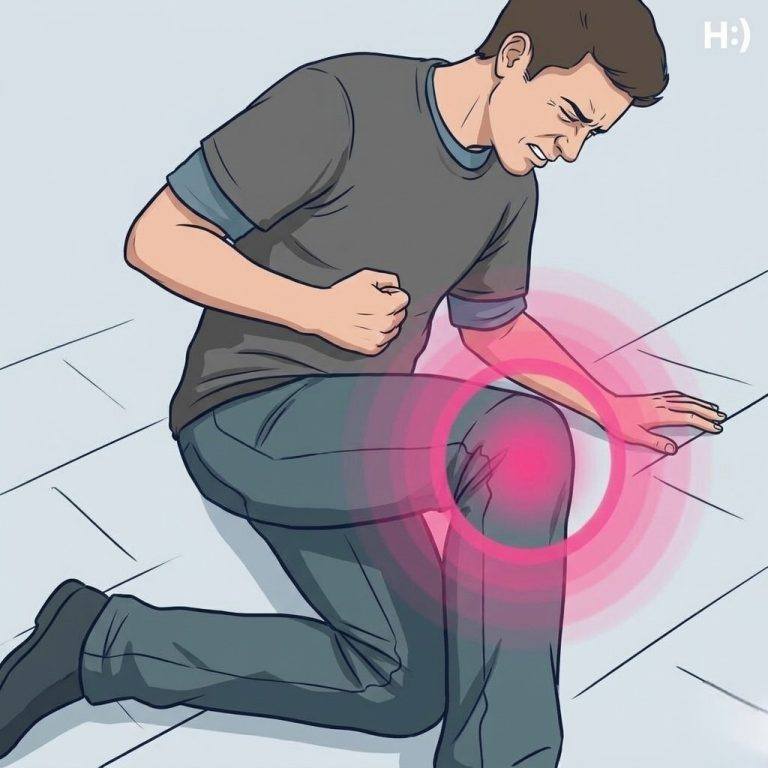
Yes—that statement is broadly correct, and it’s actually a good summary of how hip pain usually works. The hip is a major weight-bearing joint, so pain there often reflects either local stress or something off in how the body moves overall.
Here’s a clearer breakdown of what it can mean:
🦴 Common reasons for hip pain
🪑 1. Posture issues
Poor sitting or standing habits can shift pressure onto the hip joint.
- Slouching or leaning to one side
- Sitting for long hours
- Uneven weight distribution while standing
Over time, this can irritate muscles and tendons.
💪 2. Muscle imbalances
Some muscles get tight, others get weak:
- Tight hip flexors (from sitting too much)
- Weak glutes (butt muscles)
- Uneven core strength
This imbalance changes how your hip moves and can cause pain.
🏃 3. Overuse or strain
Common in sports or physical activity:
- Running, jumping, or sudden activity increase
- Repetitive movements
- Not enough recovery time
This can lead to tendon irritation or soreness.
🔥 4. Inflammation
Sometimes tissues around the hip get inflamed:
- Bursitis (fluid sac irritation)
- Tendonitis
- Joint irritation after strain
This often causes tenderness and stiffness.
🧠 5. Early mobility or joint issues
Less common in young people, but possible:
- Reduced flexibility
- Joint stiffness
- Clicking or discomfort during movement
🚨 When to pay attention
Consider checking with a professional if you have:
- Pain lasting more than 1–2 weeks
- Trouble walking or bearing weight
- Swelling or sharp pain
- Pain after injury or fall
🧘 Simple things that often help
- Stretch hip flexors and hamstrings gently
- Strengthen glutes (bridges, squats)
- Take breaks from long sitting
- Keep posture balanced
- Light walking or mobility exercises
💡 Bottom line
Hip pain is rarely random—it’s usually your body signaling load imbalance, overuse, or stiffness patterns, especially from daily posture and activity habits.
If you want, I can help you figure out the exact cause based on your symptoms (where it hurts, when it hurts, and what activities trigger it).