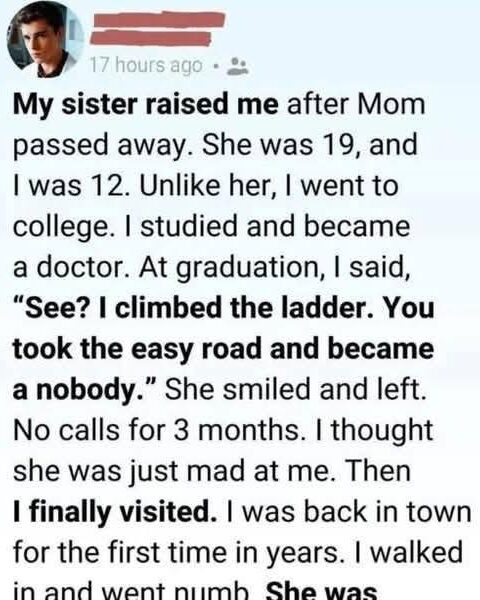
This is a fiction-style viral story, not something that can be treated as a real report just from the text.
What it is
It has all the common traits of online “storytime” or clickbait narratives:
- dramatic family conflict (“family meeting,” inheritance dispute)
- a hidden twist (“secretly transferred the building into my name”)
- escalation to law enforcement
- courtroom “final reveal” ending designed for shock
These elements are typical of:
- short fiction posts
- Reddit-style creative writing
- AI-generated storytelling
- engagement bait on social media
Why it feels real
Stories like this are written in a very realistic tone, but:
- no names, places, or verifiable details are given
- the plot is structured like a drama episode
- everything escalates perfectly toward a “reveal moment”
Real legal or family disputes are usually far messier and less neatly resolved.
Bottom line
There is no evidence in the text itself that this is a real incident. It reads as a constructed dramatic narrative meant to trigger curiosity and emotional reaction.
If you want, I can also break down:
- how to spot fake “true story” posts instantly
- or whether a specific story you saw is likely real or fabricated before you share or believe it