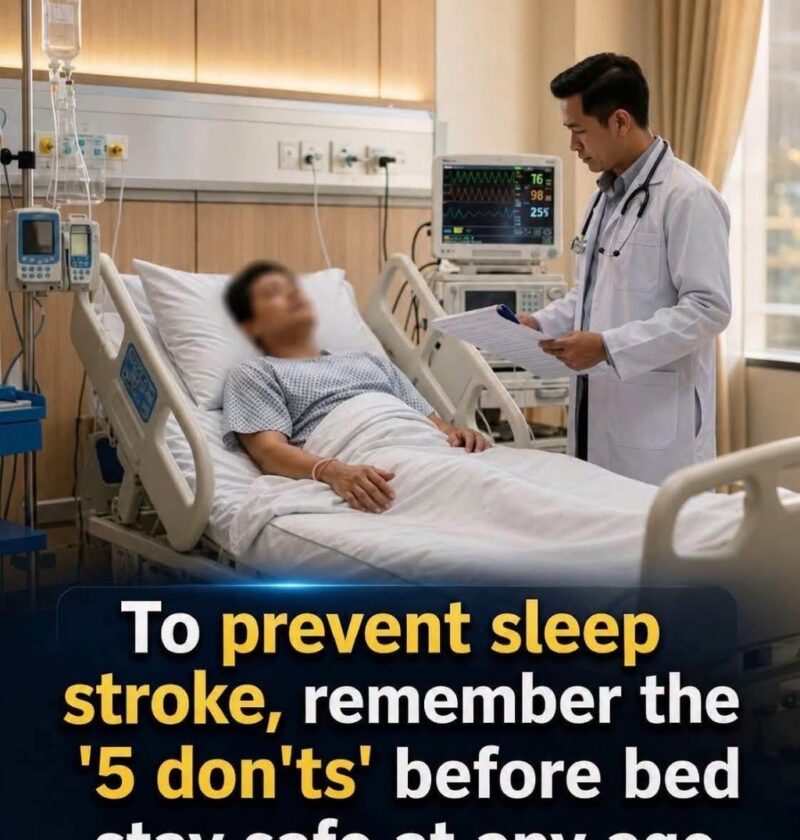
A “quiet stroke” (often called a silent stroke) is a stroke that causes damage to the brain without the obvious warning signs of a major stroke. Many people don’t realize they’ve had one until it’s seen on a brain scan or noticed through subtle changes in memory or thinking.
The good news is that many of the same habits that reduce the risk of regular strokes also help prevent silent strokes:
- Keep your blood pressure under control. High blood pressure is the biggest risk factor for stroke.
- Stay physically active. Aim for at least 150 minutes of moderate exercise each week if your healthcare provider says it’s appropriate.
- Eat a heart-healthy diet. Emphasize fruits, vegetables, whole grains, lean proteins, and healthy fats while limiting excess salt, added sugar, and saturated fat.
- Don’t smoke or vape nicotine, and avoid secondhand smoke.
- Limit alcohol if you drink.
- Maintain a healthy weight and manage conditions such as diabetes and high cholesterol.
- Get enough sleep and seek medical advice if you have symptoms of sleep apnea, such as loud snoring and daytime sleepiness.
- Take prescribed medications for blood pressure, cholesterol, diabetes, or heart conditions as directed.
Even though silent strokes may have few or no noticeable symptoms, major strokes are medical emergencies. Remember the warning signs using the acronym FAST:
- Face: One side of the face droops.
- Arms: One arm becomes weak or numb.
- Speech: Speech is slurred or difficult.
- Time: Call your local emergency services immediately if these symptoms appear.
If you or someone else develops sudden weakness, numbness, trouble speaking, vision changes, severe dizziness, or a sudden severe headache, seek emergency medical care right away. Early treatment can greatly improve outcomes.