Atorvastatin is a prescription medication used to lower cholesterol and reduce the risk of heart attacks and strokes. It belongs to a group of drugs called statins.
💊 What does atorvastatin do?
Atorvastatin works by reducing the amount of cholesterol your liver produces. In particular, it helps lower:
- LDL (“bad”) cholesterol
- Triglycerides (a type of fat in the blood)
It can also help raise:
- HDL (“good”) cholesterol slightly
A well-known brand name is Atorvastatin (often sold under the brand Lipitor).
❤️ Why is it commonly prescribed?
Doctors often prescribe atorvastatin to people who:
- Have high LDL cholesterol
- Have had a heart attack or stroke
- Have coronary artery disease
- Have diabetes and additional cardiovascular risk factors
- Are at elevated risk for future cardiovascular disease
Research has shown that statins can significantly reduce the risk of serious cardiovascular events.
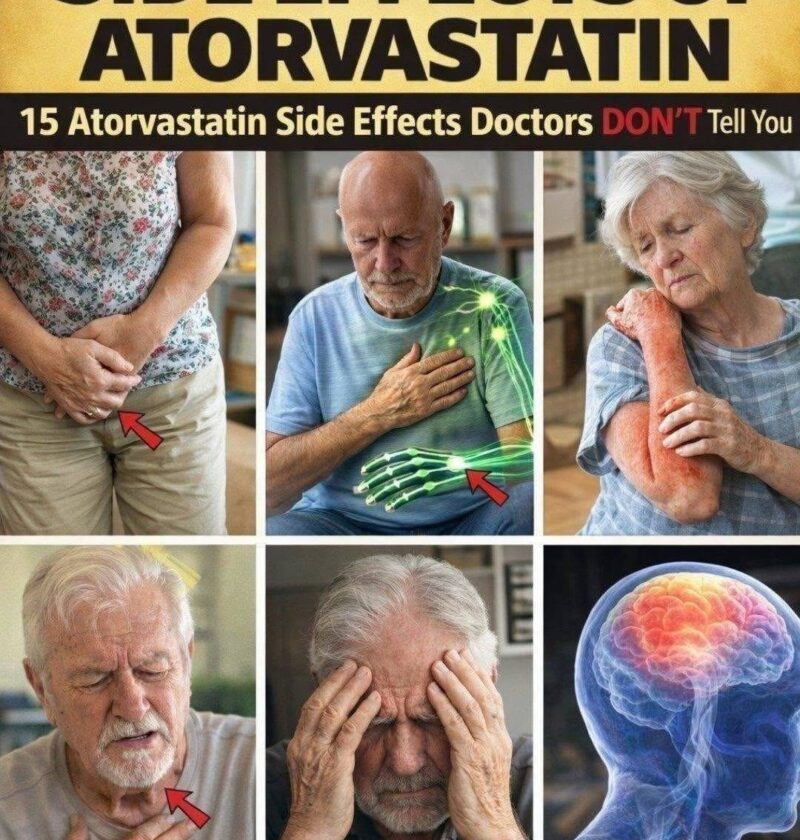
⚠️ Common side effects
Many people take atorvastatin without major problems, but possible side effects include:
- Muscle aches or soreness
- Joint pain
- Digestive upset
- Headache
Rare but more serious side effects can include:
- Significant muscle injury
- Liver problems
Anyone who develops severe muscle pain, weakness, dark urine, or signs of liver issues should contact a healthcare professional promptly.
🧠 Important points
- Atorvastatin helps control cholesterol, but it is not a cure.
- It works best when combined with healthy lifestyle habits such as:
- Regular physical activity
- A balanced diet
- Not smoking
- Maintaining a healthy weight
✔️ Bottom line
Atorvastatin is one of the most commonly prescribed cholesterol-lowering medications because it can lower LDL cholesterol and substantially reduce the risk of heart attack and stroke in people who are at risk. It is generally effective and well-studied, but like all medications, it has potential side effects and should be taken as directed by a healthcare professional.