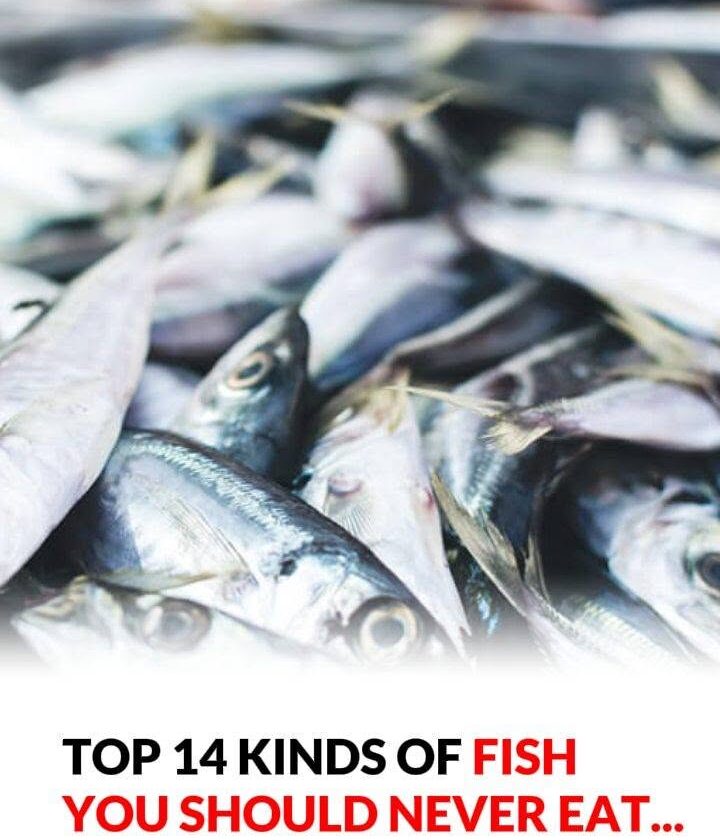
That headline is almost certainly fear-based clickbait, not a real scientific health alert.
There is no single fish that everyone should “stop eating immediately”. What science actually says is more balanced: some fish are better choices than others depending on mercury levels, source, and how often you eat them.
🐟 What these warning videos usually refer to
They often exaggerate concerns about:
- Mercury contamination
- Farmed fish conditions
- Pollution (microplastics, etc.)
- Specific species like tuna or tilapia
But they present it as an emergency “ban,” which is misleading.
⚠️ The real science: fish can contain mercury (but risk varies)
🧠 High-mercury fish (limit intake, not “never eat”)
- Shark
- Swordfish
- King mackerel
- Some large tuna (especially bigeye)
These are higher up the food chain and accumulate more mercury.
🐠 Lower-mercury, safer everyday choices
- Salmon
- Sardines
- Trout
- Herring
- Light canned tuna (in moderation)
These are generally recommended in most healthy diets.
❤️ Why fish is still strongly recommended
Major health organizations still encourage eating fish because it:
- Supports heart health (omega-3 fats)
- Helps brain function
- Provides high-quality protein
- May reduce inflammation
👉 For most people, the benefits outweigh the risks when choosing the right types.
🧠 What the “STOP eating fish” videos get wrong
They usually:
- Focus on worst-case contamination data
- Ignore serving size and frequency
- Treat all fish as equally dangerous
- Leave out decades of nutrition research supporting fish intake
🧭 Smart, balanced guideline
A safe general approach is:
- Eat fish 2–3 times per week
- Choose mostly low-mercury species
- Vary your seafood choices
- Avoid repeatedly eating high-mercury fish
🧠 Bottom line
There is no scientific recommendation to stop eating fish entirely.
What is recommended is:
choose wisely, vary types, and avoid over-consuming high-mercury species.
If you want, I can break down which fish are best for brain health, heart health, and weight control, or help you identify what fish is safest in your local market.