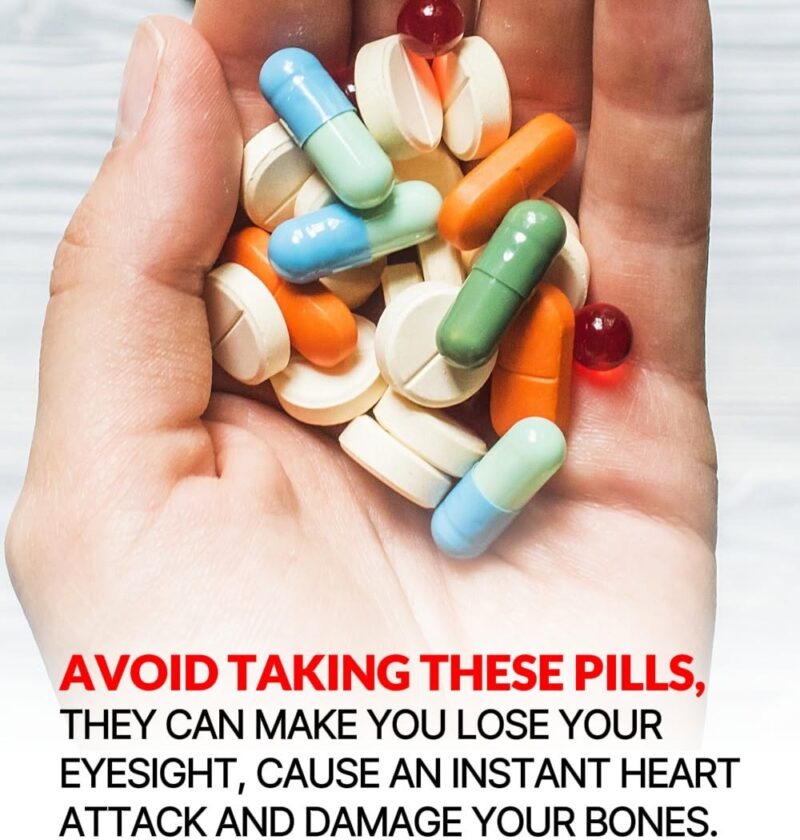
That headline is alarmist and misleading because it doesn’t specify which pills it’s talking about.
There is no single group of “these pills” that universally causes clots or heart attacks. Risk depends entirely on the specific medication, dose, and the person’s health conditions.
Blood clots are medically known as Thrombosis, and heart attacks are known as Myocardial infarction—but medications only affect these risks in certain cases.
💊 When some medications can slightly increase clot risk
1. Hormonal medications
- Some birth control pills or hormone therapy can slightly increase clot risk in certain people
- Risk is higher in smokers, older age groups, or those with prior clot history
2. Cancer treatments
- Some therapies can increase blood clot tendency due to how they affect blood chemistry
3. Reduced mobility situations (not just pills)
- After surgery or long bed rest, clot risk increases significantly
🚫 Why this warning is misleading
- It does not name the medication
- It generalizes all pills into one danger category
- It ignores that many medications actually prevent clots (like blood thinners)
- It may cause people to stop essential treatment suddenly
🧠 Important reality
Most medications do not cause clots or heart attacks. Many are prescribed specifically to reduce those risks.
🚨 When to seek urgent help
Possible warning signs of a clot or heart attack:
- sudden chest pain or pressure
- shortness of breath
- swelling or pain in one leg
- sudden weakness or speech problems
These require immediate medical attention.
🧠 Bottom line
This type of post is designed to create fear. The real risk depends entirely on the specific medication and personal health factors—not a vague “these pills” warning.
If you want, tell me the name of the pill you saw mentioned, and I can explain the real, evidence-based risks 👍