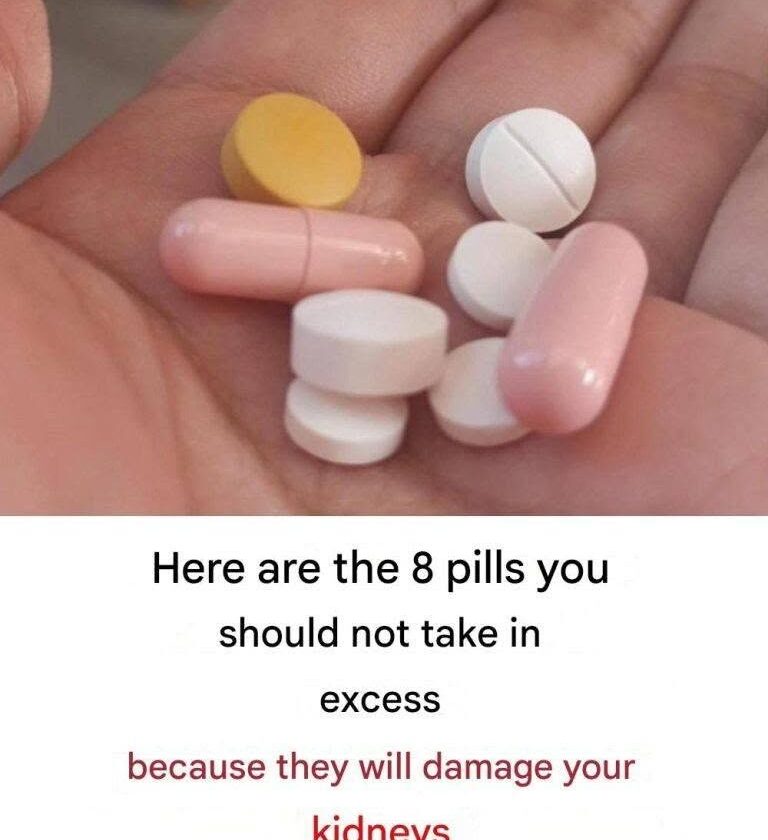
That headline is oversimplified and potentially misleading.
A more accurate version would be:
“Some medications can damage the kidneys in certain people or when used improperly, especially in older adults or those with existing kidney disease.”
Many medications are safe and effective when taken as prescribed. The risk depends on factors such as dose, duration of use, hydration status, age, other medical conditions, and interactions with other drugs.
Examples of medications that can affect kidney function include:
- Certain pain relievers such as Ibuprofen and Naproxen.
- Some antibiotics (certain types carry kidney-related risks).
- Certain antiviral medications.
- Some chemotherapy drugs.
- Certain immunosuppressant medications.
- Some diuretics (“water pills”) in specific situations.
- Certain blood pressure medications when dehydration or other complications occur.
- Some contrast dyes used during imaging procedures.
Important warning signs of kidney problems
Contact a healthcare professional if you experience:
- Significantly reduced urination
- Swelling of the legs, ankles, or face
- Unexplained fatigue
- Persistent nausea or vomiting
- Shortness of breath
- Confusion
Don’t stop medications on your own
Many medicines that can potentially affect the kidneys also provide major health benefits. Stopping them suddenly can be dangerous. Decisions about medication changes should be made with a healthcare professional who knows your medical history.
If you have the actual list of eight pills from the article or video, I can help evaluate each one and explain the real level of kidney risk.