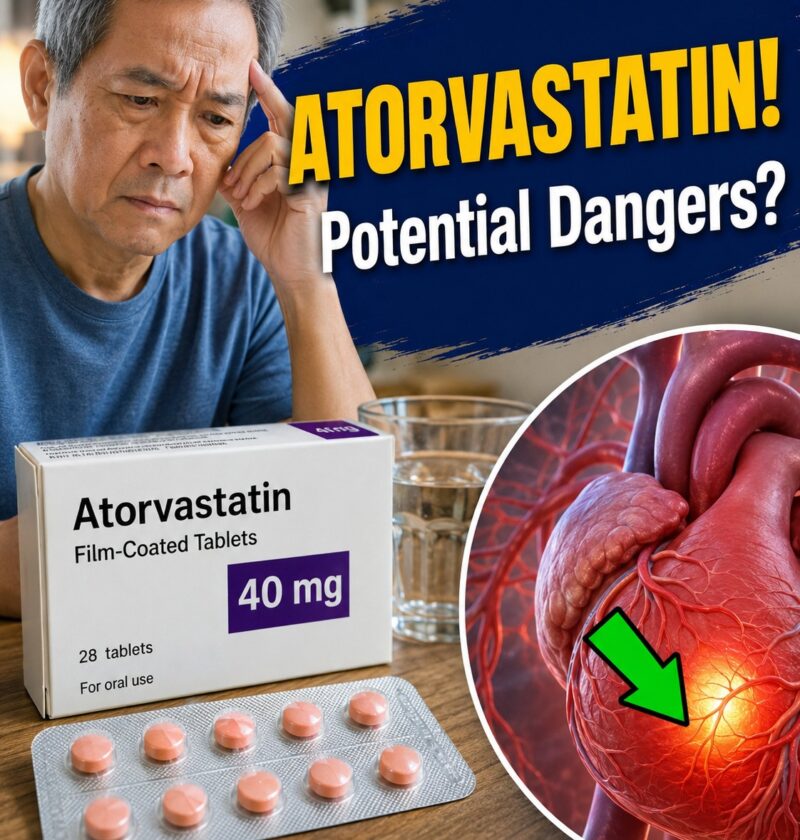
Atorvastatin is a commonly prescribed statin used to lower LDL (“bad”) cholesterol and reduce the risk of heart attack and stroke.
15 Things Worth Knowing About Atorvastatin
- Muscle aches can occur
- Some people experience muscle pain, tenderness, or weakness.
- Most people tolerate it well
- Serious side effects are uncommon.
- It lowers LDL cholesterol effectively
- One of its main benefits is reducing cardiovascular risk.
- It may slightly raise liver enzymes
- Doctors sometimes monitor liver function, especially when starting treatment.
- Severe muscle injury is rare
- A serious condition called rhabdomyolysis is very uncommon but requires urgent medical attention.
- Digestive side effects can occur
- Some people report nausea, indigestion, diarrhea, or constipation.
- It is usually taken once daily
- Many people take it in the evening, though it can be taken at other times as directed.
- Drug interactions matter
- Certain medications can increase the risk of side effects.
- Large amounts of grapefruit may interact
- Grapefruit can affect how the body processes atorvastatin.
- It helps prevent future cardiovascular events
- Benefits often extend beyond simply lowering cholesterol numbers.
- It may slightly increase blood sugar
- A small increase in diabetes risk has been observed in some people.
- Don’t stop it without medical advice
- Stopping suddenly can reduce protection against cardiovascular disease.
- Lifestyle changes still matter
- Diet, exercise, and smoking cessation remain important.
- Report unusual muscle symptoms
- Especially if accompanied by fever, weakness, or dark urine.
- Benefits often outweigh risks
- For many people at elevated cardiovascular risk, the reduction in heart attack and stroke risk is substantial.
🚨 Seek medical attention promptly if you develop:
- Severe muscle pain or weakness
- Dark-colored urine
- Signs of liver problems (such as yellowing of the skin or eyes)
- Serious allergic reactions
🧠 Bottom line
Atorvastatin is one of the most widely used cholesterol medications because it is generally effective and well tolerated. Like any medication, it has potential side effects, but many people take it for years without major problems. If you’re concerned about symptoms or interactions, discuss them with your healthcare professional rather than stopping the medication on your own.