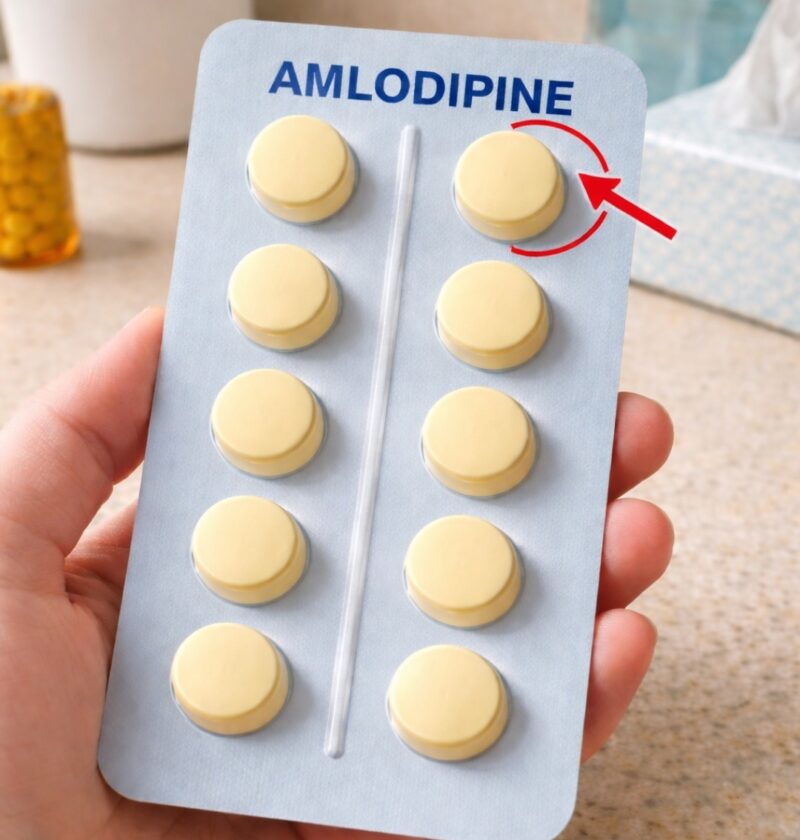
Amlodipine is commonly used for high blood pressure and angina. It’s generally well tolerated, but certain everyday habits can reduce its effectiveness or increase side effects.
Here are 8 habits you should avoid or limit while taking it—and why:
1. 🚫 Stopping medication suddenly
Why: Blood pressure can rebound and rise quickly, increasing risk of chest pain or complications.
Always consult a doctor before changing dose.
2. 🍷 Heavy alcohol use
Why: Can worsen side effects like dizziness, flushing, and low blood pressure.
3. 🧂 High-salt diet
Why: Too much sodium raises blood pressure, working against the medication.
4. 🪑 Sitting or standing up too fast
Why: Amlodipine can lower blood pressure, and sudden posture changes may cause lightheadedness.
5. 💊 Self-mixing with certain medications or supplements
Why: Some drugs (like strong antibiotics, antifungals, or grapefruit products) can increase amlodipine levels and side effects.
6. 🍊 Large amounts of grapefruit or grapefruit juice
Why: It can increase the drug level in your blood, raising risk of side effects like swelling or dizziness.
7. 🏃 Ignoring regular exercise
Why: Lack of activity can worsen blood pressure control. Moderate exercise helps the medicine work better.
8. ⚠️ Ignoring swelling in feet or ankles
Why: Mild swelling is a known side effect, but ignoring worsening symptoms can delay needed medical adjustment.
🧠 Key takeaway
Amlodipine works best when combined with:
- low-salt diet
- regular movement
- consistent dosing
- avoiding strong interaction triggers
It’s not about “strict rules,” but about supporting the medicine so it can do its job properly.
If you want, I can also explain common side effects vs dangerous warning signs, or how to manage swelling safely.