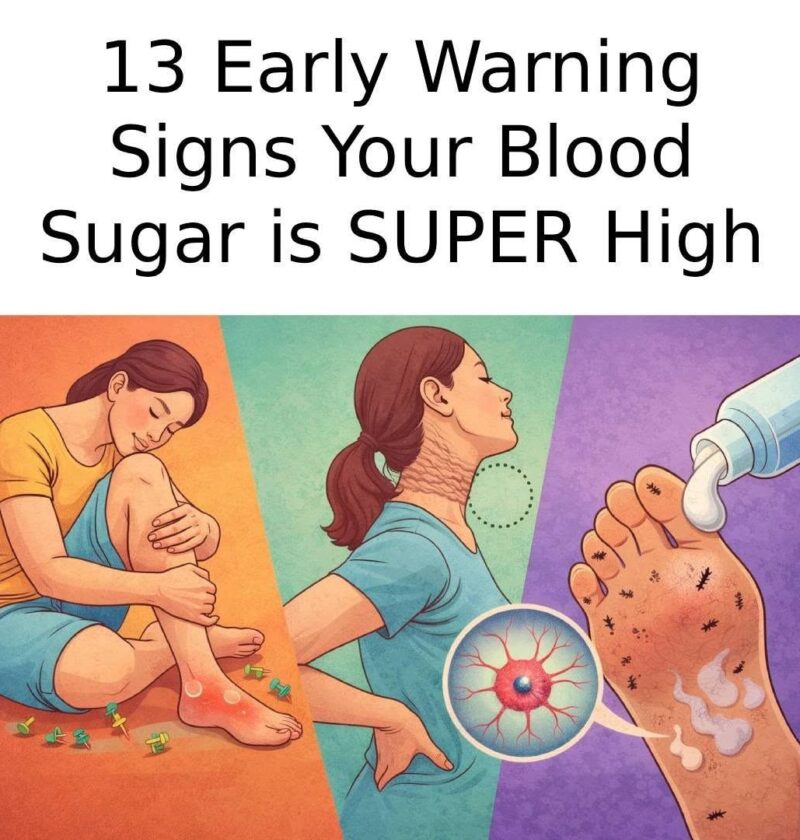
This headline is mostly reasonable, but it’s written in a listicle style to attract clicks. A more balanced version would be:
Common Signs of High Blood Sugar—and Evidence-Based Ways to Help Manage It
High blood sugar can cause symptoms such as:
- Increased thirst
- Frequent urination
- Fatigue
- Blurred vision
- Increased hunger
- Slow-healing cuts or sores
- Frequent infections
- Unexplained weight loss (especially in untreated diabetes)
Managing high blood sugar typically involves evidence-based strategies such as:
- Following a balanced eating plan.
- Being physically active.
- Maintaining a healthy weight, if appropriate.
- Taking diabetes medications or insulin as prescribed.
- Monitoring blood glucose if recommended by a healthcare professional.
- Getting enough sleep and managing stress.
- Keeping regular medical appointments.
The title itself isn’t necessarily misleading, but the quality of the article depends on whether the “13 warning signs” and “9 ways” are medically accurate and evidence-based. High blood sugar can be a sign of Type 2 Diabetes or other conditions, so persistent symptoms should be evaluated by a healthcare professional rather than treated with home remedies alone.