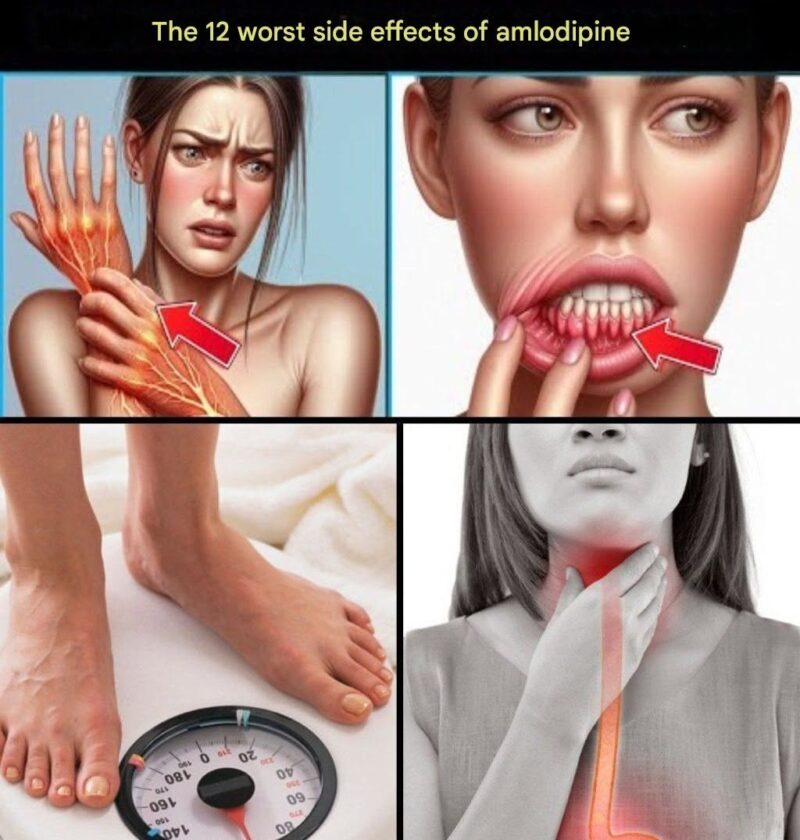
That headline is sensationalized. Amlodipine does have possible side effects, but most people tolerate it well, and “NEVER ignore” lists online often mix rare, serious effects with common or mild ones to sound alarming.
Here’s a clear, realistic breakdown:
Common side effects (usually not dangerous)
These are the ones most people may notice:
- Swollen ankles or feet (very common)
- Flushing or feeling warm
- Headache
- Dizziness, especially when standing up
- Fatigue
Less common but important to watch
These should be discussed with a doctor if persistent:
- Fast or irregular heartbeat
- Excessive tiredness or weakness
- Nausea or stomach discomfort
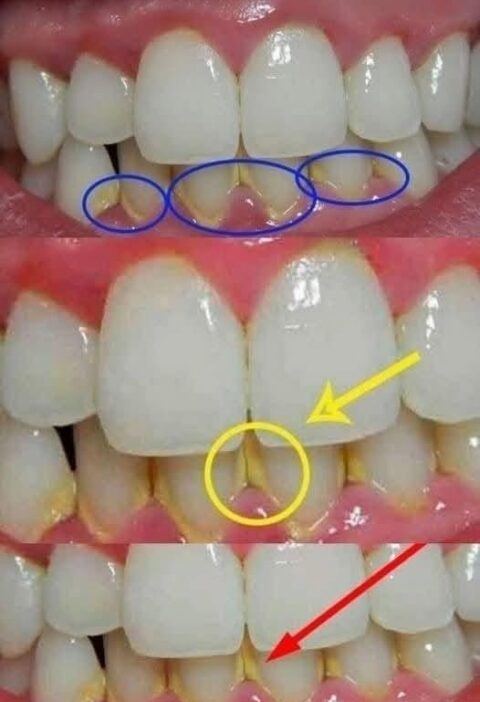
- Gum swelling (rare but known effect)
Serious side effects (seek medical attention)
These are rare, but important:
- Severe chest pain or worsening heart symptoms
- Sudden shortness of breath
- Fainting or very low blood pressure
- Signs of allergic reaction (rash, swelling of face/lips, trouble breathing)
- Severe swelling or rapid weight gain
Important reality check
- Many “worst side effect” lists online include very rare events to create fear.
- Amlodipine is widely used for high blood pressure and heart disease prevention, and benefits often outweigh risks when prescribed properly.
- Never stop it suddenly without medical advice.
Bottom line
Side effects exist, but most are mild and manageable, not dangerous for most users. The headline exaggerates risk by grouping normal effects with rare emergencies.
If you want, I can compare amlodipine with other blood pressure medicines so you can see how its side effect profile actually stacks up.