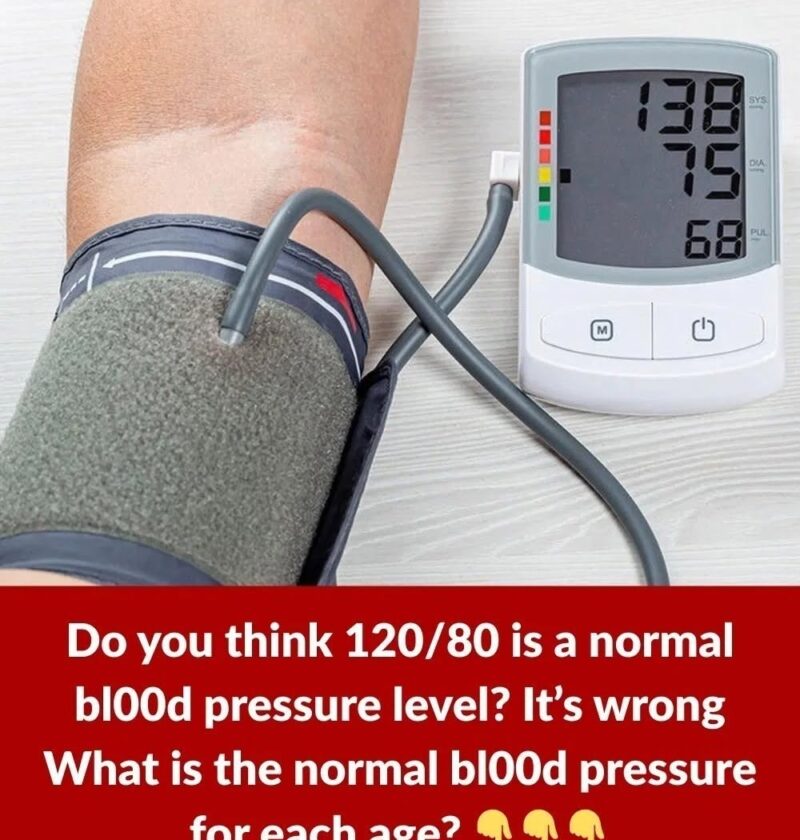
“Normal blood pressure by age” is a common question, but medically there isn’t a different “normal” for each age group in adults. Doctors mostly use one standard range, with slight differences for children and older adults based on overall health.
Blood pressure is measured using two numbers:
- Systolic (top number): pressure when the heart beats
- Diastolic (bottom number): pressure when the heart rests
This is related to Hypertension, which is a major risk factor for heart disease and stroke.
🩺 Normal blood pressure (adults)
✅ Ideal range
- Around 120/80 mmHg
📊 General categories
- Normal: less than 120/80
- Elevated: 120–129 / less than 80
- High (Stage 1): 130–139 / 80–89
- High (Stage 2): 140+/90+
👶 Children & teens
Normal values vary by age, height, and sex, but generally:
- Lower than adults
- Increase gradually as they grow
A pediatrician uses specific charts rather than one fixed number.
👵 Older adults
- Slightly higher readings are more common
- Many doctors still aim for around 120–130 / <80–85 if tolerated
- Very low blood pressure in older adults can sometimes cause dizziness or falls
⚠️ Important reality
There is no “perfect number for each age” that applies to everyone because normal depends on:
- Health conditions
- Medications
- Fitness level
- Individual risk factors
🚨 When to worry
You should seek medical advice if:
- Readings are consistently above 130/80
- You have symptoms like headache, chest pain, dizziness, or shortness of breath
- Sudden very high readings occur
🧠 Bottom line
For most adults, around 120/80 mmHg is considered healthy, regardless of age. Doctors adjust targets based on individual health, not just age alone.
If you want, I can give you a simple blood pressure chart image-style breakdown or tips to naturally keep it in a healthy range 👍