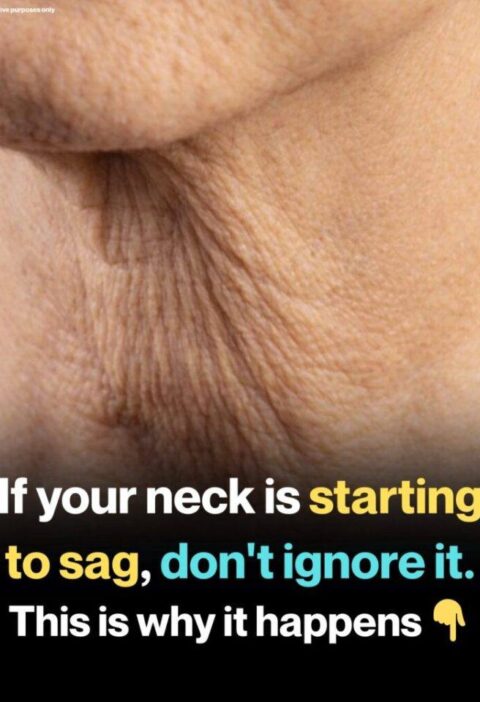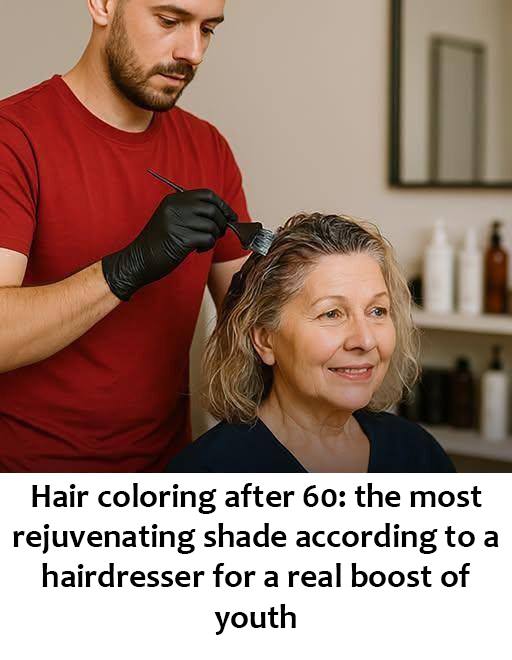
That headline is another beauty clickbait simplification. There’s no single “best hair color after 60,” but there are color principles stylists often use to create a softer, more youthful look.
💇♀️ What actually makes hair look “more youthful”
It’s less about age and more about:
- Skin tone contrast
- Hair condition (shine, dryness, damage)
- How harsh or soft the color is
- Dimension (flat vs multi-tonal color)
🎨 Hair color tips stylists commonly recommend
1. Soft, warm tones often look more natural
Examples:
- Warm blonde
- Light caramel
- Honey brown
These can soften facial features.
2. Avoid overly harsh, solid dark colors
Very dark, flat black or deep brown can:
- Emphasize lines and contrast too strongly
- Look less natural with lighter skin tones
3. Add dimension (highlights/lowlights)
Multi-tonal color often looks more modern:
- Subtle highlights around the face
- Soft balayage blends
- Natural-looking variation
4. Gray blending instead of full coverage (optional)
Many stylists now recommend:
- Blending gray instead of fully hiding it
- “Silver blending” or “salt-and-pepper enhancement”
5. Match color to undertone
- Warm skin → golden, caramel, honey tones
- Cool skin → ash blonde, cool brown, soft silver tones
⚠️ Important reality check
- “Youthful” doesn’t mean “lighter at all costs”
- The wrong light shade can wash out the face
- The healthiest-looking hair color is often the one that works with your natural base
🧠 Bottom line
There is no universal “best hair color after 60.” Stylists aim for softness, dimension, and harmony with skin tone, not a specific age-based color rule.
If you want, tell me your natural hair color and skin tone, and I can suggest shades that would realistically suit you best.