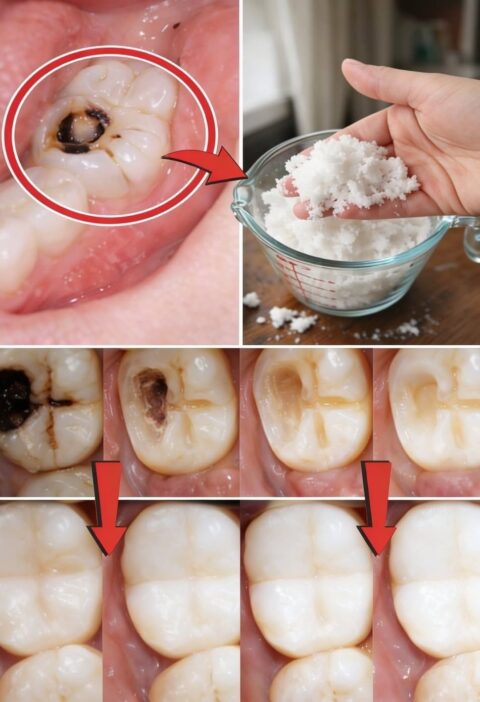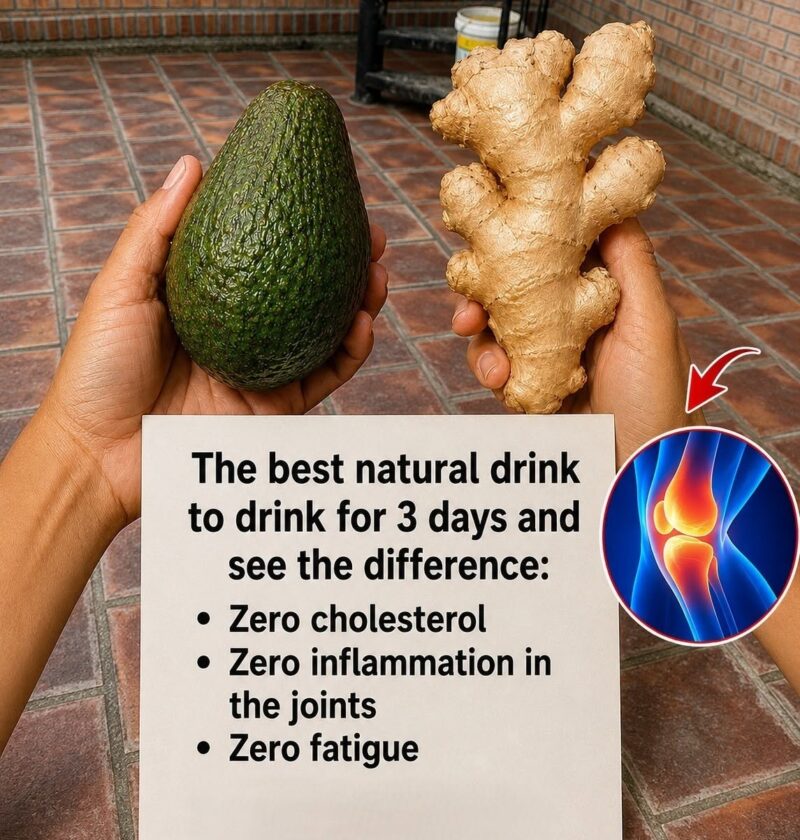
That headline is a classic health-marketing style claim. Without seeing the actual drink, it’s best to be cautious.
Why to be skeptical
Phrases like:
- “Transform your health”
- “May help reduce cholesterol”
- “Fight inflammation”
- “Boost energy” or reduce fatigue
are often used to make a single food or drink sound like a cure-all. In reality, no natural drink reliably fixes all of these issues on its own.
Could a drink help?
Some drinks have evidence for certain benefits:
- Green tea may modestly improve cholesterol markers and contains anti-inflammatory compounds.
- Ginger may help with inflammation and nausea.
- Beetroot juice may support exercise performance and blood flow.
- Oat drink can contain soluble fiber that helps lower LDL (“bad”) cholesterol.
However, effects are usually modest, not dramatic.
Red flags
Be especially cautious if the article:
- Claims doctors are hiding the secret.
- Promises rapid results.
- Says one drink can replace medication.
- Uses dramatic before-and-after stories instead of scientific evidence.
What actually helps
For cholesterol, inflammation, and fatigue, the strongest evidence is usually for:
- Regular physical activity
- Adequate sleep
- A balanced diet rich in fruits, vegetables, whole grains, and healthy fats
- Managing underlying medical conditions
- Following a doctor’s treatment plan when needed
If you paste the name of the drink or the article, I can evaluate the specific claims and tell you what the scientific evidence says.