That headline is actually based on a real cooking principle—but it’s exaggerated in typical viral style.
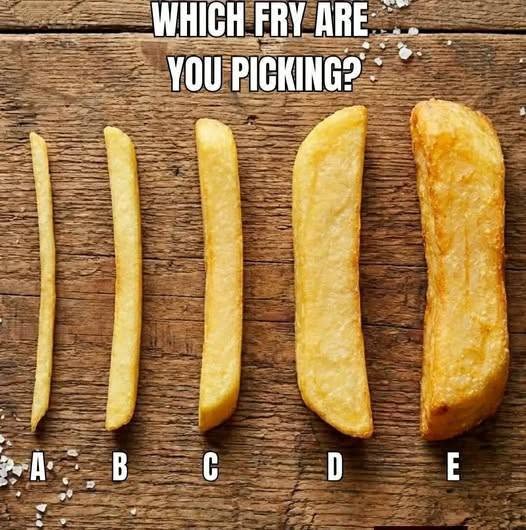
When people talk about “the perfect fry,” they’re usually referring to how the thickness of Potato (or other fried foods) affects texture, crispiness, and cooking time.
🍟 Why thickness really matters
1. Heat penetration
- Thin cuts cook quickly all the way through
- Thick cuts take longer, so the inside stays soft while the outside browns
2. Crisp vs. soft balance
- Thin fries → crispier, sometimes drier
- Thick fries → crispy outside, fluffy inside
This is why steak fries and shoestring fries feel so different.
3. Moisture control
- Thicker pieces hold more moisture inside
- That internal steam helps create a fluffy center
- Too thin = moisture escapes too fast → can become brittle
4. Oil absorption
- Thin fries absorb oil faster per surface area
- Thick fries absorb more slowly but retain a softer interior
🔥 The real “perfect fry” method
Professional kitchens often use:
- Double frying (low temp first, high temp second)
- Proper drying before frying
- Consistent cut size for even cooking
🚫 What viral posts exaggerate
- “One thickness is the only perfect way” ❌
- “Thicker fries are always better” ❌
- “Thin fries are unhealthy” ❌
The truth: it depends on the texture you want.
🧠 Bottom line
Thickness changes how fries cook because it affects heat flow, moisture, and texture balance. There is no single “perfect” thickness—just different styles of fries.
If you want, I can show:
- how to make restaurant-style crispy fries at home
- or air fryer vs deep fryer differences 👍