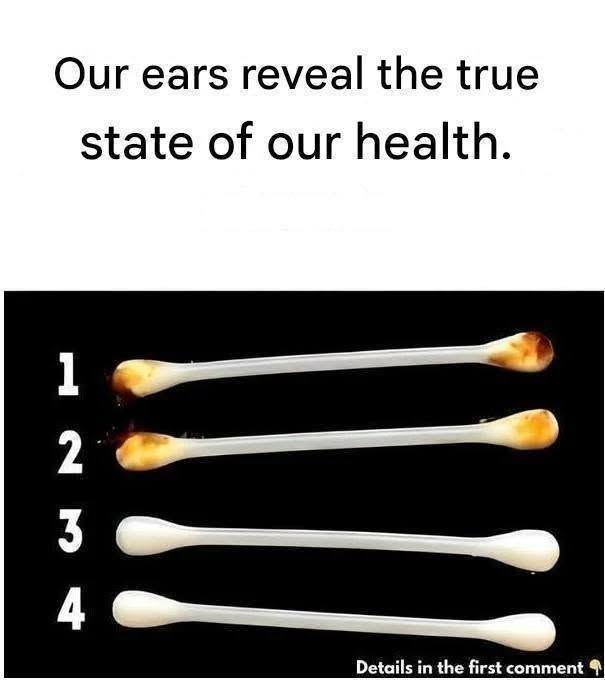
Yes—your ears can sometimes provide clues about certain health conditions, but many viral posts exaggerate these connections.
What your ears can sometimes indicate
Ear infections
Pain, redness, swelling, drainage, or hearing changes can suggest an ear infection or inflammation.
Hearing loss
Gradual hearing loss may be related to aging, noise exposure, certain medications, or medical conditions affecting the ear.
Skin conditions
Dry, itchy, flaky skin around the ears can be associated with conditions such as eczema or seborrheic dermatitis.
Changes in ear shape or appearance
Rarely, certain congenital conditions or injuries can affect ear appearance and be associated with other health issues.
Earlobe crease
Some studies have investigated a diagonal earlobe crease (sometimes called “Frank’s sign”) as a possible marker associated with cardiovascular disease. However, the relationship is controversial, and the crease alone is not a reliable way to diagnose heart disease.
What your ears generally cannot do
Your ears cannot reliably diagnose:
- Cancer
- Diabetes
- Liver disease
- Depression
- Vitamin deficiencies
- Most internal diseases
Claims that “your ears reveal all your health problems” are usually misleading.
When to see a healthcare professional
Consider medical evaluation if you have:
- Sudden hearing loss
- Persistent ear pain
- Ear drainage
- Ringing in the ears that won’t go away
- Dizziness with hearing changes
- A new lump, growth, or persistent skin change on the ear
The ears are an important part of the body and can sometimes provide useful health clues, but they are only one piece of the larger picture. Proper diagnosis usually requires symptoms, examination, and sometimes testing rather than relying on ear appearance alone.