That title sounds like a general informational guide rather than pure clickbait, so I’ll break it down in a clear, practical way.
Senior driving licence: what it usually means
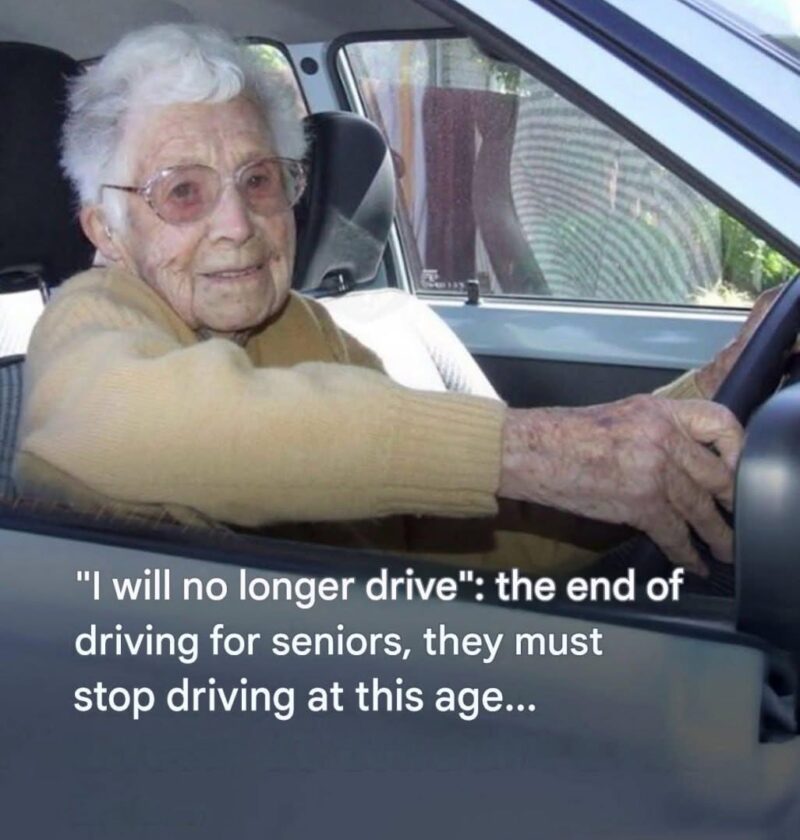
In most countries, there is no automatic “senior-only license”, but older drivers may have extra requirements to keep their licence valid.
Common obligations for older drivers
These can vary by country, but often include:
- Regular licence renewal (more frequent with age)
- Medical check-ups (vision, hearing, general fitness to drive)
- Declaration of medical conditions (like diabetes, epilepsy, dementia risk, etc.)
- Stricter vision standards in some regions
Aptitude or fitness tests may include:
- Vision test (most important one)
- Reaction time assessment
- Cognitive screening (memory, attention, decision-making)
- Practical driving test (in some cases if concerns exist)
Why these rules exist
They’re not about age alone—they’re about:
- Slower reaction time
- Vision changes
- Medication effects
- Cognitive decline risk in some individuals
Important reality check
- Many older adults continue driving safely for years.
- Restrictions are usually based on health and ability, not age alone.
- The goal is safety, not removal of independence.
If you want, tell me your country and I can explain the exact rules that apply where you live, because they differ quite a bit from place to place.