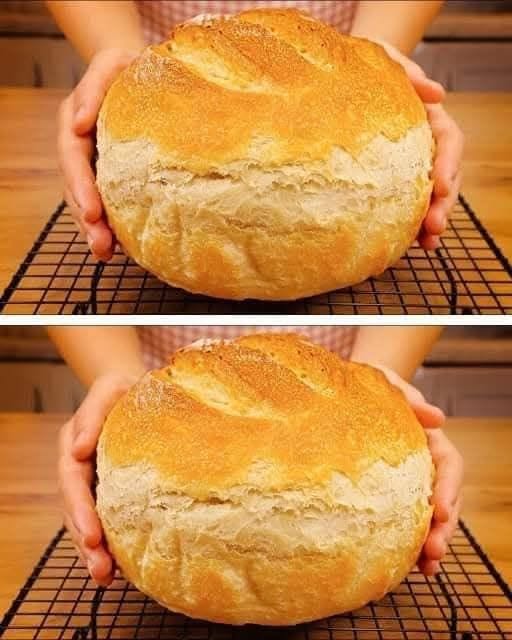
“Non-sourdough bread” simply means any bread that is not made using a sourdough starter.
What that means in practice
Instead of relying on natural wild yeast and bacteria (like sourdough does), non-sourdough bread is usually made with:
- Commercial yeast (fast-acting baker’s yeast)
- Sometimes baking powder or baking soda (in quick breads)
Common types of non-sourdough bread
- White bread (sandwich bread)
- Whole wheat bread
- Buns and burger rolls
- Flatbreads like naan (often yeast or baking powder based)
- Sandwich loaves from supermarkets
Key differences from sourdough
- Flavor: milder, less tangy
- Time: much faster to make (hours instead of days)
- Texture: usually softer and more uniform
- Digestion: sourdough is sometimes easier for some people due to fermentation, but it varies
Why people talk about it
Non-sourdough bread is basically the “standard bread” you find in most stores and homes. Sourdough is more of a traditional fermented style that got popular again recently.
If you saw “non-sourdough bread” in a health claim or trend, I can also break down what they were trying to imply—some of those posts are misleading.