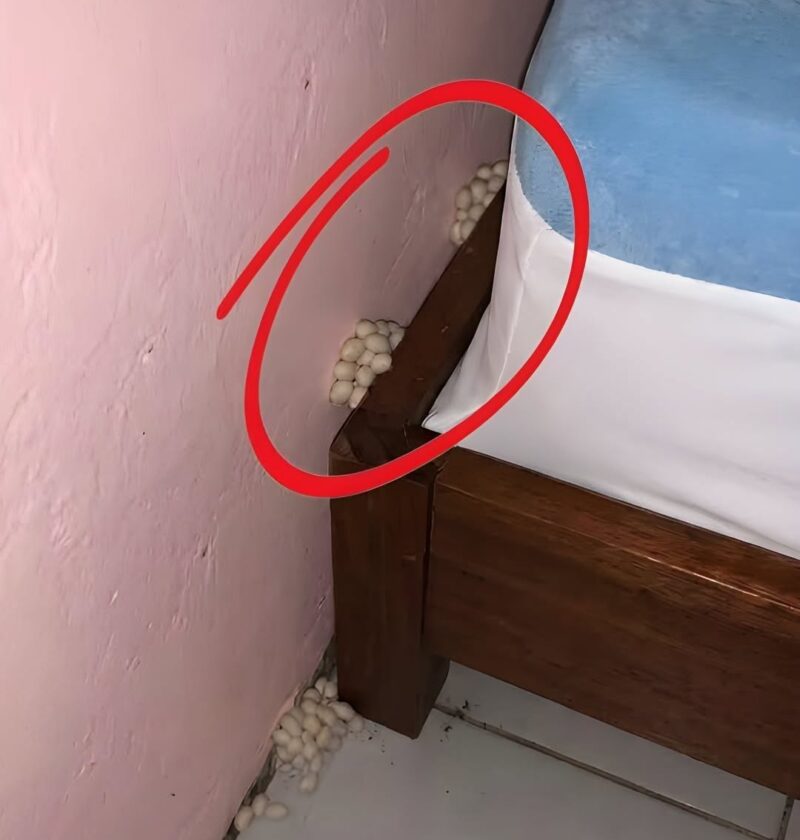
That’s a classic viral storytelling/clickbait template, and the key detail is right here:
“Check the first comment for the answer”
That’s the giveaway that it’s designed to farm engagement, not share real information.
🧠 What this post is doing
It usually:
- shows a vague or scary-looking object (often zoomed in or out of context)
- adds a personal fear story (“I was really scared”)
- refuses to explain what it is
- pushes you to comments for “the answer”
This keeps people:
- guessing
- arguing in comments
- clicking repeatedly
❌ The important truth
Without the actual image or description, there is:
- no object to identify
- no evidence of danger
- no real question being asked
It’s just a curiosity trap, not a genuine identification request.
🧠 Why these posts feel convincing
They use psychological triggers:
- fear (“I was really scared”)
- mystery (“I still can’t figure it out”)
- authority illusion (“check comments for answer”)
But they usually turn out to be:
- everyday objects (fabric, food, household items)
- insects or harmless natural materials
- sometimes even staged images
🧾 Bottom line
This is not a real mystery—just a social media engagement bait post format. Without an actual clear image or description, there’s nothing meaningful to identify.
If you want, you can upload or describe what you saw—I can actually tell you what it is instead of the “comment section mystery” version.