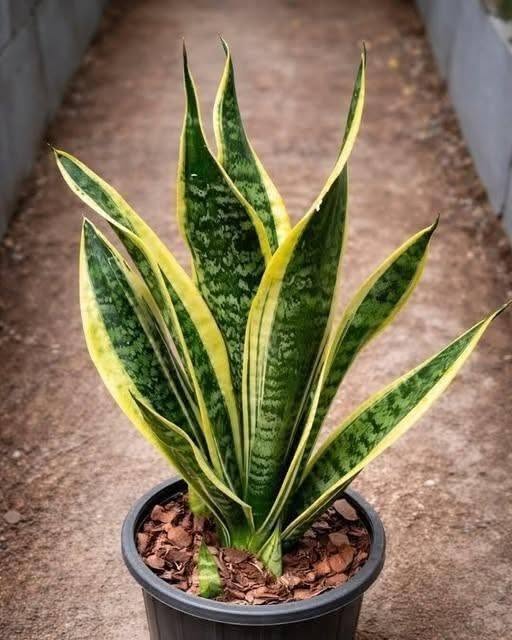
That phrase—“If you have this plant in your house, then you have…”—is almost always clickbait designed to make you open the post, not a complete or meaningful fact.
Most of the time, these posts are referring to common houseplants like:
- Snake plant
- Aloe vera
- Money plant / pothos
- Peace lily
And they usually end with vague claims like:
- “you have good luck”
- “you have clean air”
- “you have positive energy”
- “you are protected from negativity”
🌿 What’s actually true?
✔️ Some plants really do have benefits
- Snake plant & pothos can slightly improve indoor air quality (in lab conditions, not dramatically in real homes)
- Aloe vera has practical uses for skin burns
- Indoor plants can improve mood and reduce stress
❌ What’s exaggerated
- “Removes all toxins from your house”
- “Brings wealth or protection”
- “Completely purifies air instantly”
- “Changes your life energy”
These are not supported by science.
🧠 Why these posts go viral
They use:
- Curiosity gaps (“If you have this plant…”)
- Emotional promises (luck, health, protection)
- Fear or hope-based messaging
Your brain naturally wants to “complete the sentence,” which is why they’re so clickable.
🌱 Real takeaway
Having plants in your home is good because:
they improve mood, comfort, and the feeling of wellbeing
But they are not magical or life-changing objects.
If you want, you can show me the exact plant or the full post—I can tell you what part is real, what’s exaggerated, and what’s completely made up.