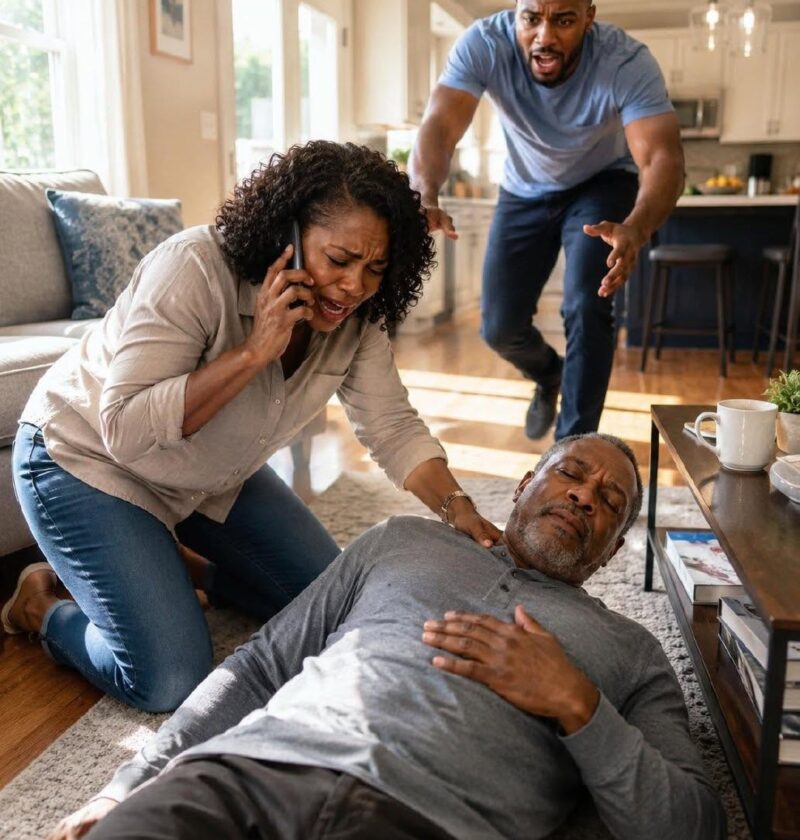
This is another clickbait revenge/thriller story hook, not a verified real-life report.
Why it’s clearly fictional or exaggerated
It uses a very standard emotional formula:
- Happy setup (“came home smiling to surprise my parents”)
- Sudden tragedy (“found them motionless”)
- Vague cause (“something harmful in their food” — no specifics)
- Delayed twist (“one week later…”)
- Cliffhanger ending (“made my entire body go cold”)
This structure is designed to:
- trigger shock and sadness
- keep readers curious
- push engagement (“see more” effect)
Red flags in the writing
- No names, place, or verifiable details
- Extreme emotional escalation in a few sentences
- “Doctors later said…” without any specifics
- Suspenseful ending instead of information
Reality check
Real incidents involving medical or legal situations are reported with:
- clear facts (what substance, what happened, where, when)
- sources or official statements
- no dramatic “cliffhanger” framing
This has none of those.
Bottom line
It’s storytelling content built for emotional impact, not a factual account.
If you want, I can show you the common “shock story templates” these posts reuse so you can recognize them instantly without reading them fully.