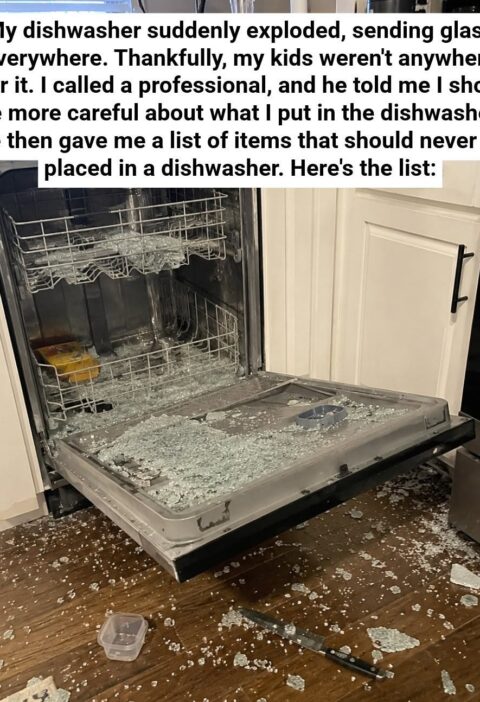
That sentence is another viral “story hook”, not a verified real-life account.
It follows a very common pattern used in social media drama posts:
- betrayal (husband + best friend)
- emotional trigger (baby)
- time jump (“one year later”)
- shocking public encounter (hospital)
- cliffhanger (“See more…”)
🧠 What it actually is
These are usually:
- fictional short stories
- AI-generated or heavily dramatized content
- engagement bait designed to get clicks, comments, and shares
They are written to feel personal and emotional, but they are not evidence of real events or general truths about relationships.
🎭 Why these stories are so effective
They rely on:
- strong emotions (betrayal, revenge, humiliation)
- family and relationship themes
- suspense and unresolved endings
- curiosity gaps (“what happened next?”)
⚖️ Reality check
While real relationship problems and betrayals do exist, real-life situations:
- are usually far less dramatic and structured
- don’t follow perfect “movie-style” timelines
- don’t resolve in sudden poetic confrontations like in stories
🧩 Bottom line
This is storytelling designed for engagement, not a factual incident or a pattern you should generalize from.
If you want, I can show you a quick way to instantly tell whether a post is fiction, exaggerated content, or real-life reporting just by reading the first 1–2 lines.