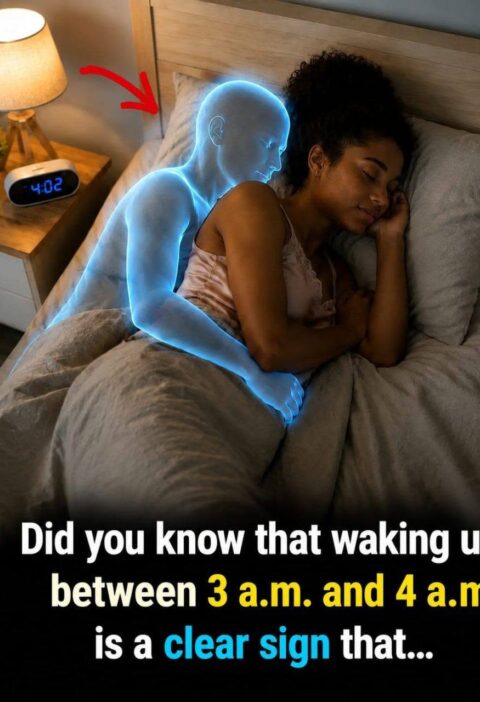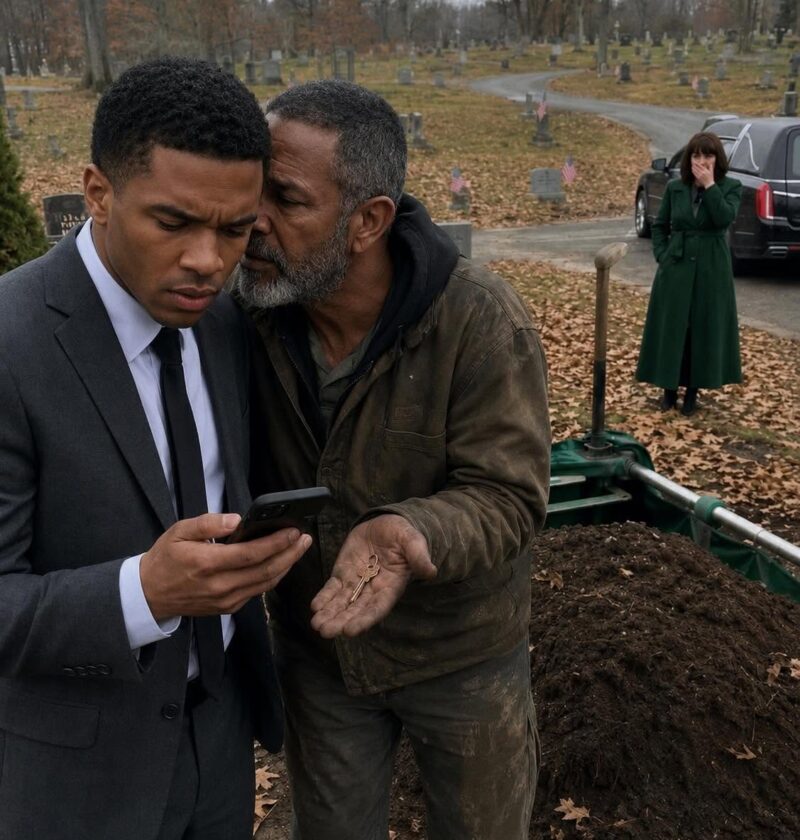
This is another fiction-style viral hook, not a real-world factual scenario.
It has all the classic elements of online storytelling designed for engagement:
- sudden “graveyard secret” reveal
- a mysterious stranger with urgent instructions
- a cryptic key and location (“Unit 17 on Route 9”)
- immediate escalation via a shocking text message
These are common in short thriller / creepypasta-style posts meant to keep people reading, not to describe real events.
Reality check
In real life:
- Funeral and burial processes are legally documented and supervised
- A gravedigger would not secretly orchestrate “empty coffins” as a normal occurrence
- Cryptic instructions and dramatic coincidences like this are storytelling devices, not realistic sequences of events
Why these stories are popular
They’re built to trigger:
- curiosity (“what happens next?”)
- anxiety + suspense
- emotional shock
That keeps people clicking “see more” or engaging in comments.
If you want, I can:
- break down how to spot AI/fiction viral stories instantly
- or help you analyze whether a specific story is real or fabricated before you share it 👍