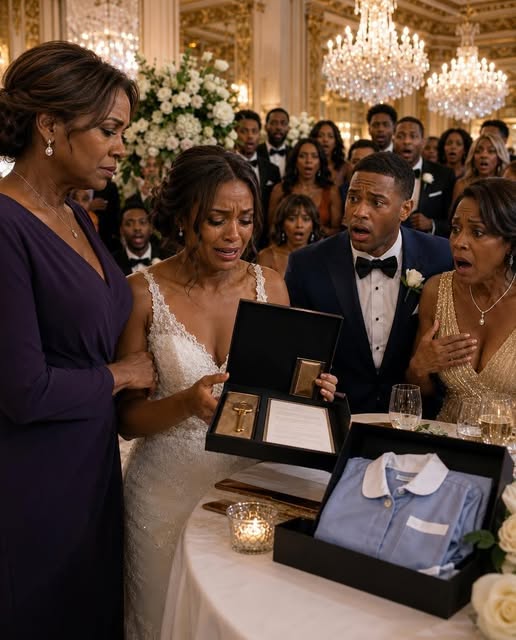
This is another revenge-fantasy / family-drama clickbait hook.
It follows the same formula you’ve been posting:
The structure
- Public humiliation
- The mother-in-law gives a housekeeping uniform.
- The son-in-law makes a demeaning comment.
- Emotional reaction
- The daughter cries and trembles.
- The calm hero
- The parent rises “quietly.”
- The hidden trump card
- “Let’s see the gift I have for you.”
- Cliffhanger
- Everyone is “utterly shocked,” but the story doesn’t tell you why.
The giveaway signs
- The insult is exaggerated and symbolic (a housekeeping uniform at a wedding).
- The dialogue sounds scripted for maximum outrage.
- The story ends exactly where the payoff should begin.
- You’re told people’s emotions (“tears,” “shock”) instead of being given facts.
What usually happens next
In stories like this, the gift is often:
- a house deed,
- a luxury car,
- a large inheritance,
- proof of hidden wealth,
- or some revelation that instantly reverses the power dynamic.
The exact object changes, but the plot stays the same:
humiliation → public embarrassment → secret advantage → dramatic reversal → revenge satisfaction
That’s why these stories feel familiar even when the details differ. They’re built from the same storytelling template designed to keep readers scrolling for the “gotcha” moment.