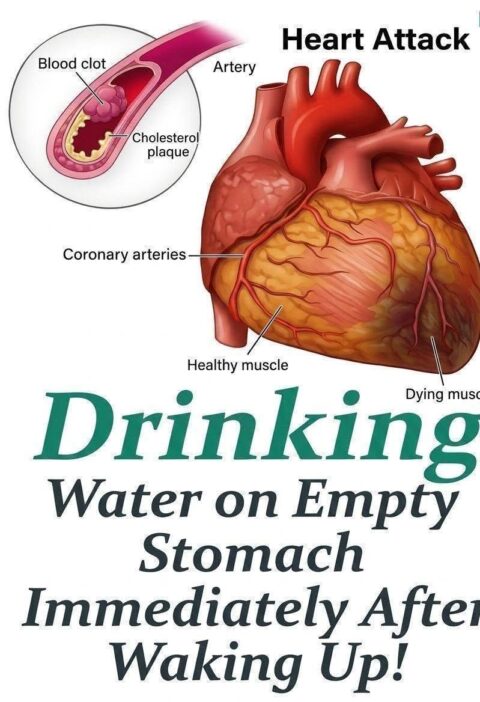
This is another clickbait-style health headline, but it’s pointing to a real concept: some strokes can happen with subtle or mild warning signs, and prevention habits do matter.
A “quiet stroke” usually refers to a Stroke that may have:
- Very mild symptoms (sometimes ignored)
- Or even “silent” brain changes detected only on scans
Common early warning signs (don’t ignore)
- Sudden weakness or numbness (face, arm, or leg — especially one side)
- Trouble speaking or understanding speech
- Sudden vision problems
- Dizziness, loss of balance, or coordination issues
- Sudden severe headache (less common in some types)
Simple habits that do reduce risk
These are evidence-based, not miracle fixes:
1. Control blood pressure
High blood pressure is the biggest risk factor for stroke.
2. Stay physically active
Regular walking or exercise helps circulation and heart health.
3. Eat a balanced diet
More fruits, vegetables, whole grains; less excess salt and processed foods.
4. Don’t smoke
Smoking significantly increases stroke risk.
5. Manage diabetes and cholesterol
Keeping these in check reduces blood vessel damage.
6. Maintain a healthy weight
Helps reduce strain on the cardiovascular system.
7. Limit alcohol
Excess alcohol increases stroke risk.
Important reality check
No set of “simple habits” can guarantee prevention—but they significantly reduce risk, especially when combined.
If you want, I can also explain the difference between a “mini-stroke (TIA)” and a silent stroke, since those are often confused in posts like this.