That headline is very likely fictional clickbait.
It follows a common formula used by viral storytelling pages:
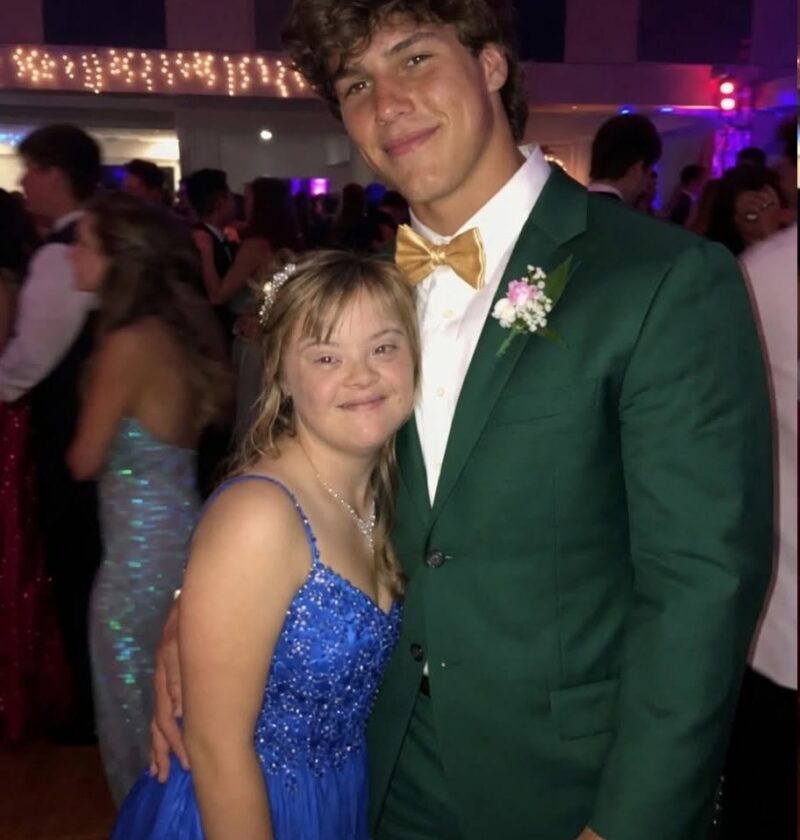
- An emotionally uplifting setup (“star quarterback asked my daughter with Down syndrome to dance at prom”).
- A sudden, sinister twist (“something hidden in his tuxedo pocket”).
- A threatening line of dialogue (“Stay quiet… or you’ll regret it.”).
- The story cuts off before revealing what happened.
These stories are often written to maximize clicks and ad revenue. They frequently:
- Use emotionally charged topics (disability, children, betrayal, heroism).
- Include dramatic dialogue that can’t be independently verified.
- End each section on a cliffhanger to keep readers scrolling.
Without a credible source or corroborating news reports, there’s no reason to assume the story is true. It should be treated as unverified and likely fictional entertainment rather than a factual account.
If you have the complete story or a link, I can help determine whether it’s based on a real event or is simply a fabricated viral narrative.