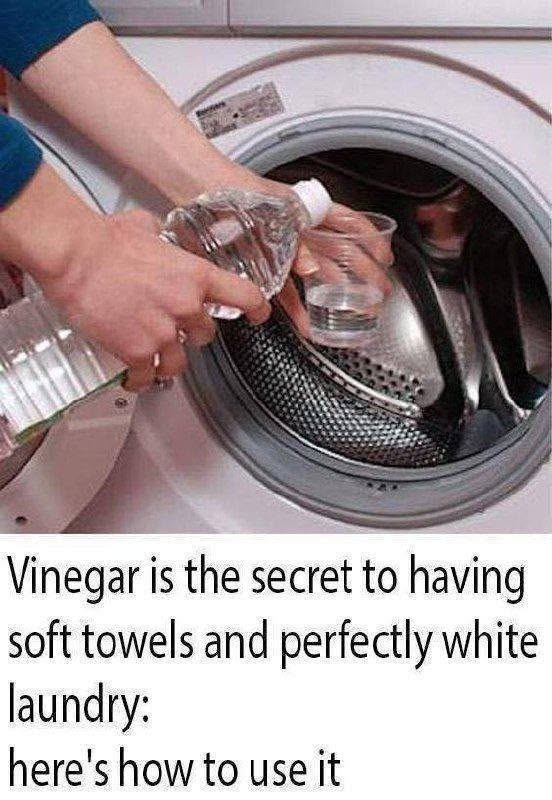
Vinegar can help clean parts of a washing machine, but it’s not a cure-all, and it should be used appropriately.
How to use vinegar
For a routine clean:
- Make sure the washing machine is empty.
- Pour about 2 cups (500 mL) of white vinegar into the detergent dispenser or directly into the drum (depending on the machine and manufacturer’s instructions).
- Run the hottest, longest wash cycle available.
- After the cycle, wipe the door seal, detergent drawer, and drum with a clean cloth.
- Leave the door and detergent drawer open to let the machine dry.
For stubborn residue
If there’s soap scum or mildew, scrub the rubber door seal and detergent drawer with a soft brush and a mild cleaner.
A few cautions
- Don’t mix vinegar with bleach. Combining them can release harmful chlorine gas.
- Frequent use of vinegar may not be recommended by some washing machine manufacturers, particularly because repeated exposure to acid may affect certain rubber seals or components over time.
- If your machine’s manual recommends a specific washing machine cleaner, follow those instructions.
For preventing odors:
- Leave the door open after each wash.
- Remove wet laundry promptly.
- Clean the detergent drawer and door gasket regularly.
- Run a maintenance cycle periodically, especially if you mostly use cold water.
So, vinegar can be a useful occasional cleaning aid, but it’s not necessary for every machine, and it’s best used according to your manufacturer’s guidance.