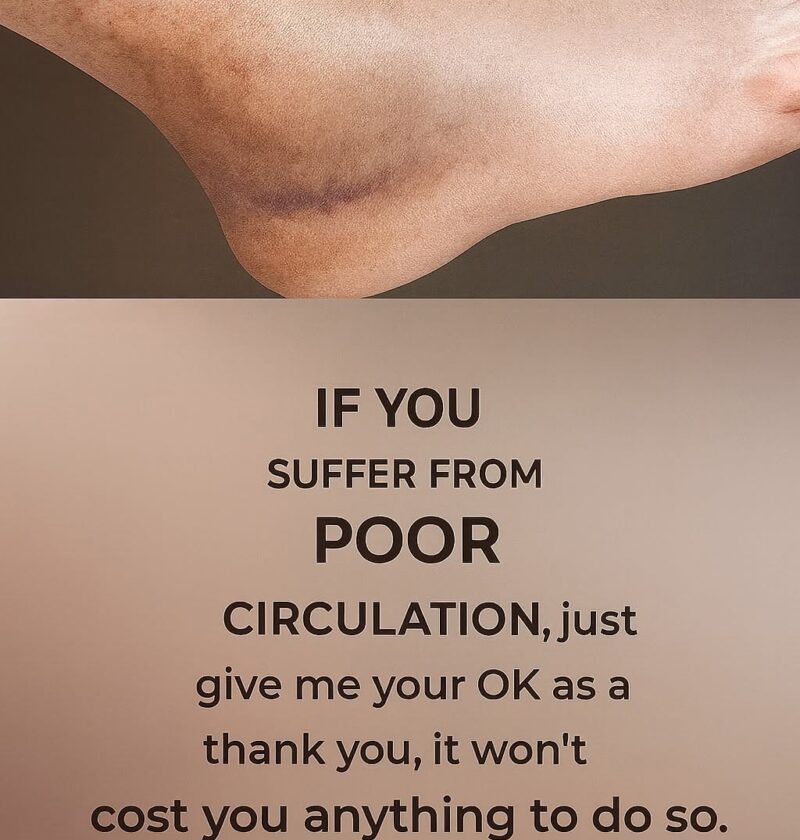
That headline is overly simplistic. There isn’t a single “solution” for poor circulation because the right treatment depends on the underlying cause.
If poor circulation is the cause of leg symptoms, they may include:
- Cold feet or lower legs
- Numbness or tingling
- Cramping or pain when walking that improves with rest
- Swelling
- Slow-healing wounds
- Skin color changes
Common ways to improve circulation include:
- Walking or other regular physical activity
- Quitting smoking, if applicable
- Managing conditions like diabetes, high blood pressure, and high cholesterol
- Maintaining a healthy weight
- Elevating the legs if swelling is due to venous problems
- Wearing compression stockings if recommended by a healthcare professional (they are not appropriate for everyone, especially people with significant arterial disease)
However, similar symptoms can also be caused by conditions other than poor circulation, such as:
- Peripheral neuropathy
- Peripheral artery disease
- Chronic venous insufficiency
- Lumbar spinal stenosis
Seek urgent medical care if you develop:
- Sudden severe leg pain
- A leg that becomes cold, pale, or blue
- New weakness or inability to move the leg
- Chest pain or shortness of breath along with leg swelling
If your symptoms have been ongoing, it’s best to see a healthcare professional for an evaluation. They may recommend tests such as an ankle-brachial index, ultrasound, or blood tests to determine the cause and guide treatment.