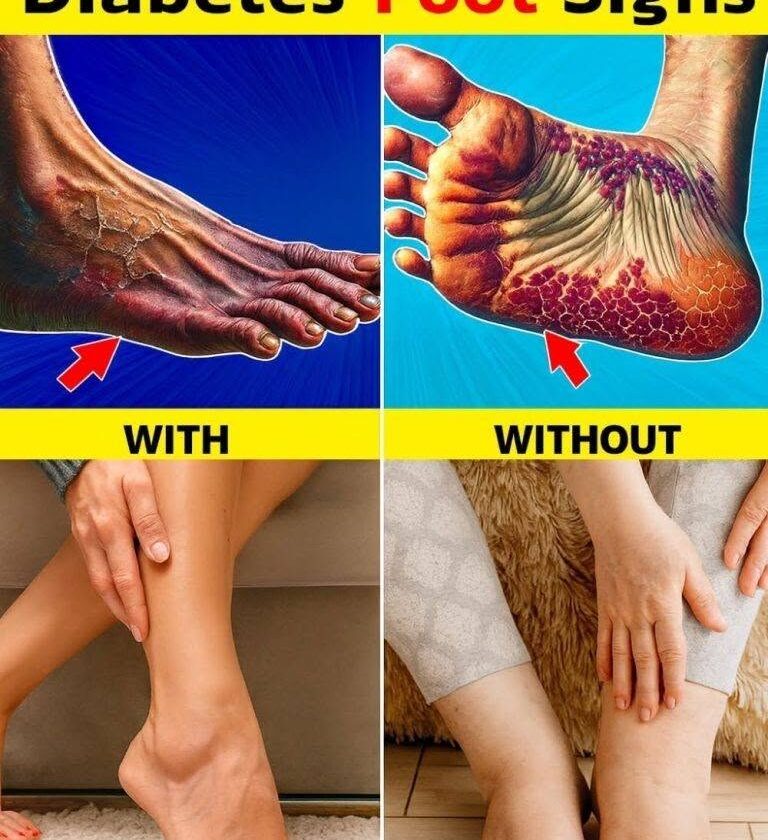
Improving leg circulation usually involves regular movement, since muscle contractions help push blood back toward the heart. If you have a medical condition such as peripheral artery disease, severe swelling, or a history of blood clots, check with a healthcare professional before starting a new exercise routine.
1. Walking
- One of the simplest ways to improve circulation.
- Aim for 10–30 minutes most days, building up gradually.
2. Calf Raises
- Stand holding a chair or wall for support.
- Rise onto your toes, then lower slowly.
- Try 10–15 repetitions, 2–3 sets.
3. Ankle Pumps
- While sitting or lying down, point your toes away and then pull them toward you.
- Especially useful during long periods of sitting or travel.
4. Seated Marches
- Sit upright in a chair.
- Lift one knee, then the other, in a marching motion.
- Continue for 30–60 seconds.
5. Cycling
- Use a bicycle or stationary bike.
- Provides rhythmic leg movement that supports blood flow.
6. Leg Elevation and Ankle Circles
- Lie down and elevate your legs on a pillow.
- Slowly make circles with your ankles in both directions.
- Can help reduce mild swelling from prolonged sitting or standing.
Additional Tips
- Avoid sitting for long periods without moving.
- Stay hydrated.
- Maintain a healthy weight.
- If prescribed, wear compression stockings as directed.
- Avoid smoking, which can impair circulation.
When to Seek Medical Advice
Contact a healthcare professional if you experience:
- Leg pain while walking that doesn’t improve
- Significant swelling in one leg
- Skin color changes
- Non-healing wounds on the feet or legs
- Sudden leg pain, warmth, or swelling
These symptoms can indicate circulation problems that require medical evaluation.