The answer is: sometimes yes, sometimes no.
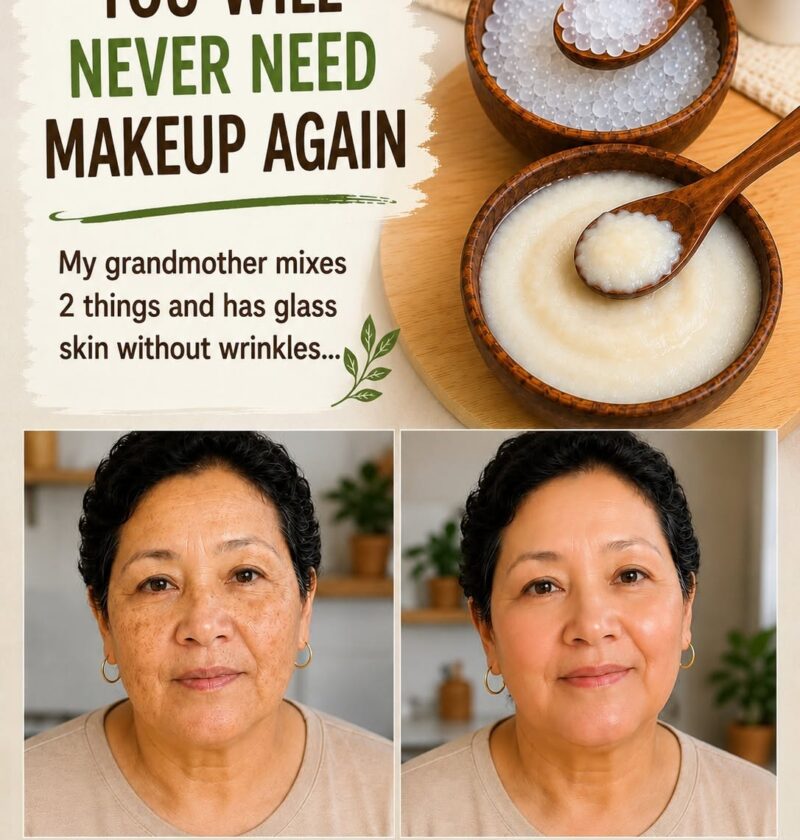
Many viral “2-ingredient glow recipes” (for example, combinations involving lemon, baking soda, toothpaste, cinnamon, or other kitchen ingredients) are promoted as quick fixes for brighter skin, acne, or dark spots. The problem is that “natural” doesn’t automatically mean “safe” or “effective.”
Why some recipes can be misleading
- Lemon juice is acidic and can irritate skin, causing redness or increased sensitivity to sunlight.
- Baking soda can disrupt the skin’s natural protective barrier.
- Toothpaste is designed for teeth, not facial skin, and may cause irritation.
- Spices and essential oils can trigger allergic reactions or burns in some people.
Why they sometimes seem to work
- Temporary exfoliation can make skin appear smoother or brighter for a short time.
- Some ingredients (such as honey) have properties that may help certain skin concerns.
- Good lighting, filters, and selective before-and-after photos often exaggerate results.
Safer ways to get a healthy glow
Look for skincare ingredients that have scientific evidence behind them:
- Gentle cleanser
- Daily moisturizer
- Sunscreen (one of the most effective ways to maintain even skin tone)
- Ingredients such as vitamin C, niacinamide, or retinoids (used appropriately)
A simple rule
If a recipe promises dramatic results in minutes, cures multiple skin problems at once, or sounds too good to be true, it’s worth being skeptical.
If you have a specific “2-ingredient glow recipe” in mind, send it to me and I can explain whether it’s likely to help, do nothing, or potentially irritate your skin.